What is the maximum speed of LiFi in 2026?
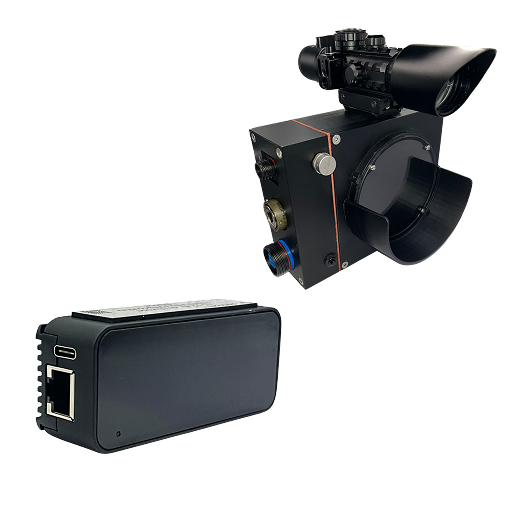
Credit to Oledcomm
LiFi (Light Fidelity) technology, which transmits data using light waves rather than the radio waves used by traditional Wi-Fi, is advancing rapidly in 2026. However, there is currently a massive gap between what is possible in a controlled lab environment and what is available in commercial kits.
Here is where the speeds currently stand.
The Laboratory Record: 362.71 Gbps
The absolute maximum speed achieved in optical wireless research currently sits at a staggering 362.71 Gbps.
This record-breaking data rate was demonstrated by university researchers using a chip-scale optical wireless system equipped with micro-lasers. While incredibly fast, it is important to note that this was achieved over a short, free-space link in highly controlled laboratory conditions. It proves what the technology is ultimately capable of, but it is not yet ready for everyday deployment.
Commercial Enterprise Systems: 10 to 100 Gbps
For large-scale enterprise deployments, commercial architecture is significantly slower than lab records, but still blazing fast compared to standard home internet.
pureLiFi: This leading enterprise system showcases a high-bandwidth infrastructure capable of hitting 10 Gbps.
Fraunhofer IPMS: This organisation offers a LiFi system that push commercial data rates even slightly higher, reaching up to 12.5 Gbps.
Oledcomm: This leading LiFi player has a LiFi system, LUCI for satellite that can offer data rates of up to 100 Gbps.
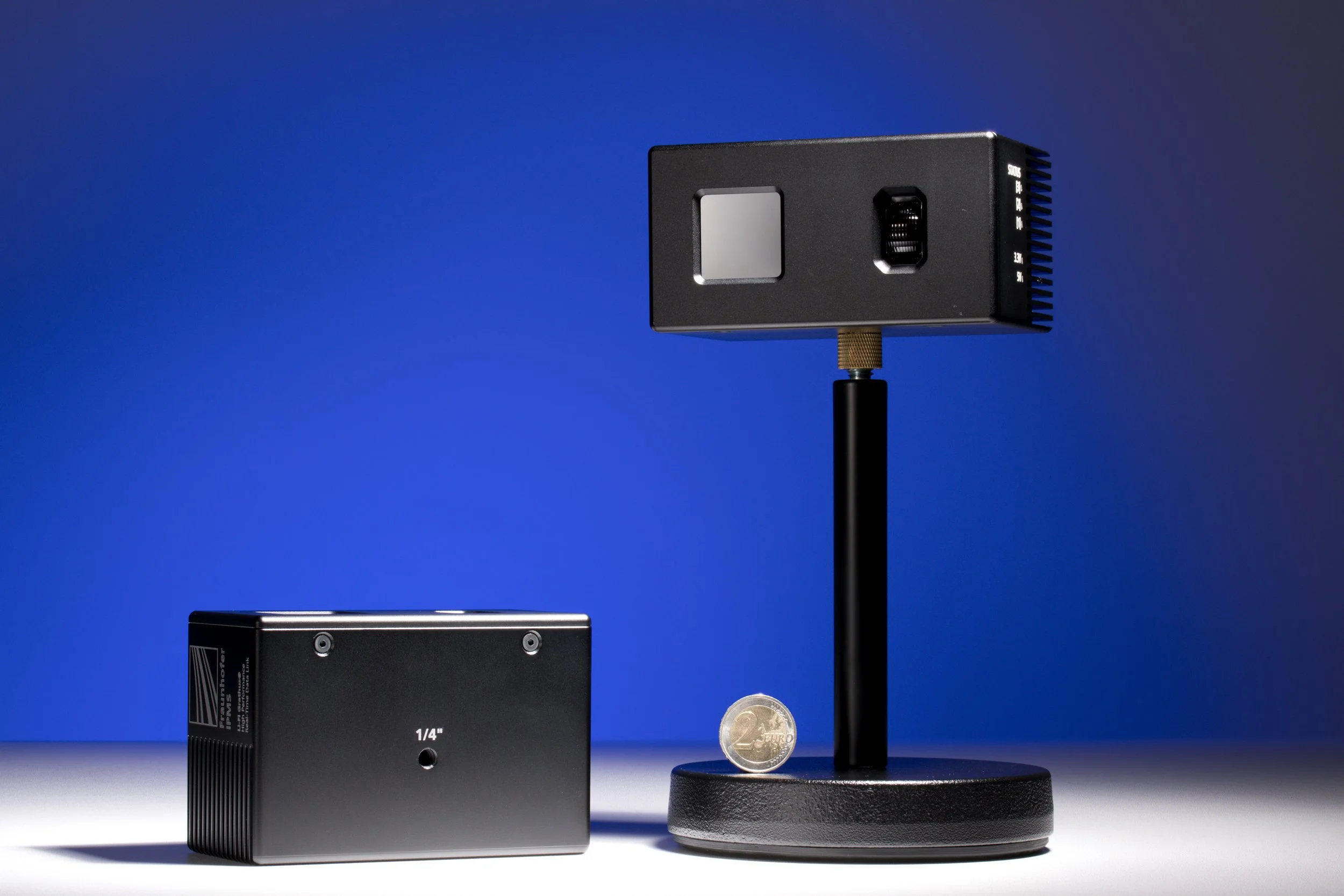
Credit to Fraunhofer IPMS
These systems are designed for secure, high-density environments like corporate offices, hospitals, or manufacturing floors where traditional Wi-Fi might suffer from interference or security vulnerabilities.
Starter LiFi Kits: 100 Mbps to 1 Gbps
For small-scale deployments, the starter LiFi systems released over the last few years operate at much lower, practical thresholds.
Depending on the specific light frequencies used and the physical environment (such as the distance from the light source and potential physical obstructions), these kits generally perform between 100 Mbps and 1 Gbps. While this is plenty of speed for streaming, browsing, and standard office work, it highlights how much room for growth the consumer LiFi market still has before it catches up to enterprise and laboratory benchmarks.
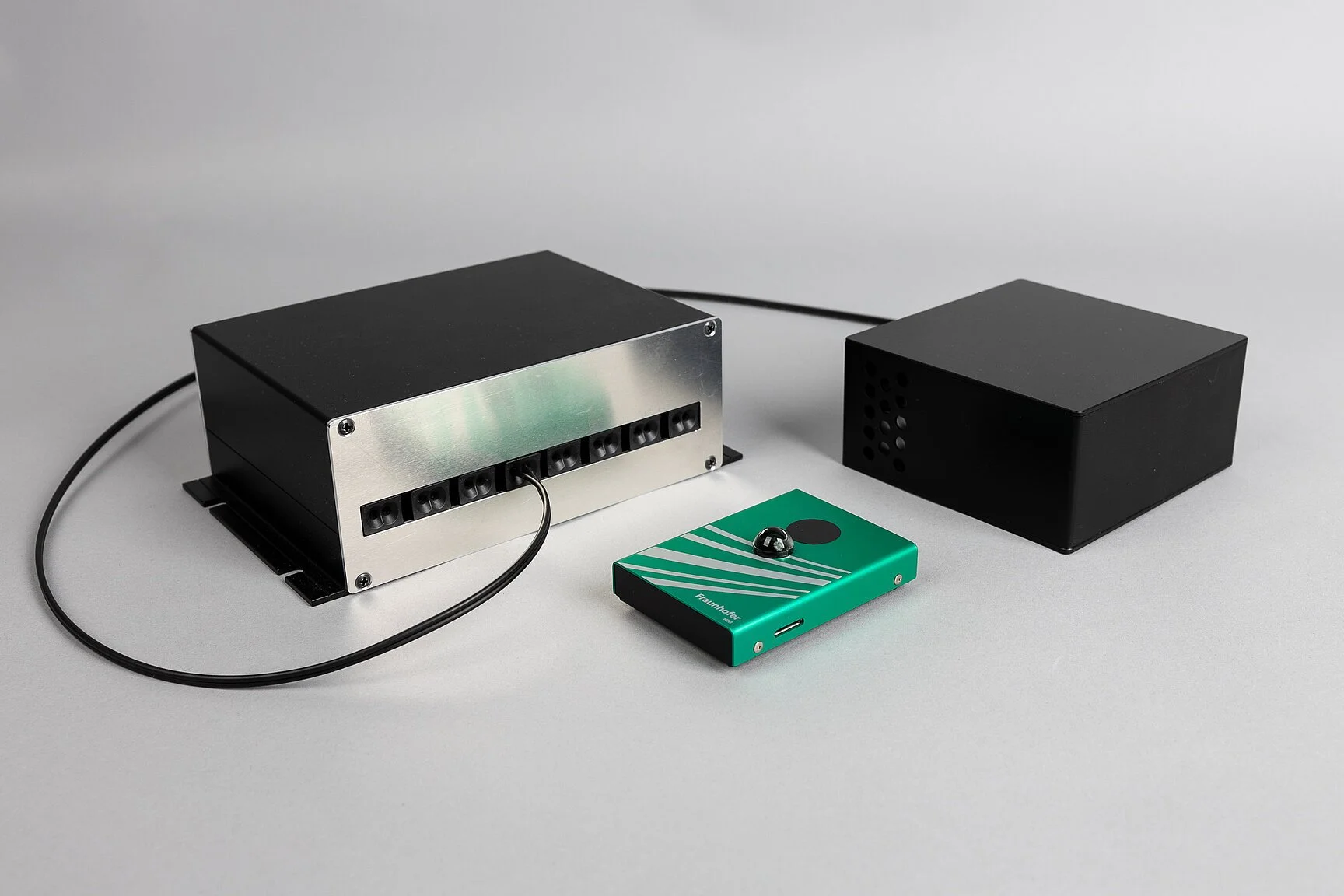
Credit to Fraunhofer HHI
The Bottom Line
LiFi's ceiling is incredibly high at over 360 Gbps, but the technology most organisations can actually buy and use today sits comfortably in the 1 Gbps to 10 Gbps range.