How much does a complete LiFi setup actually cost for a normal house?
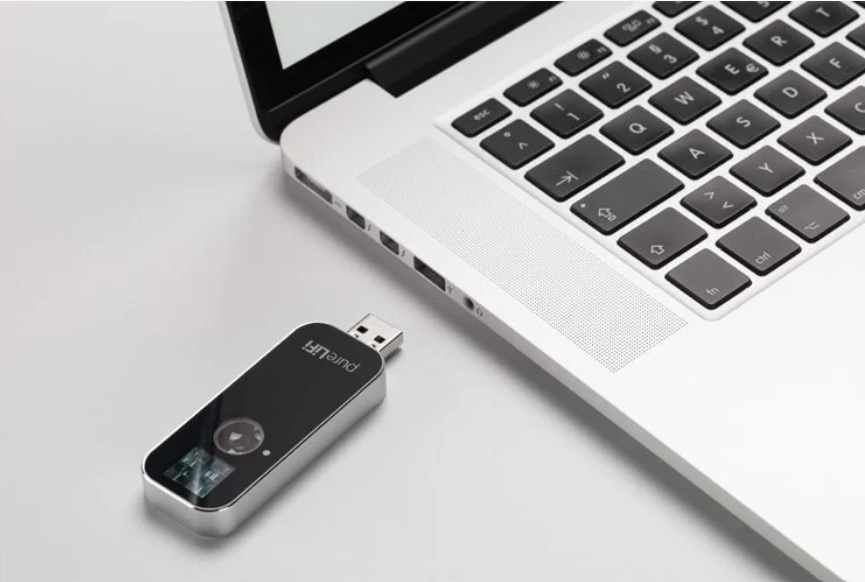
If you are hoping to swap your standard $50 to $200 Wi-Fi router for a cutting-edge LiFi setup on a budget, you will need to adjust your expectations. While light-based internet technology is now commercially available, it remains firmly in the "early adopter" phase for residential use, and the price tags reflect exactly that.
Right now, bringing LiFi into your home is a premium investment. Here is a breakdown of what you can expect to spend on commercial LiFi systems and the necessary infrastructure.
The Hardware: Starter Kits and Dongles
Because the vast majority of consumer electronics do not yet have built-in optical antennas, you cannot just buy a standalone router. You need a complete ecosystem: an access point (the light source that transmits the data) and receivers (dongles that plug directly into your laptops or devices to catch that light).
Most LiFi companies sell these as bundled starter kits designed for small offices or ambitious smart homes. Here is a look at the current market rates for popular kits:
LiFiMAX Compact Starter Kit: Listed at approximately $1,300, this package includes the ceiling access point, a Power over Ethernet (PoE) switch, one USB-C receiver dongle, and the necessary installation hardware.
aeroLiFi Starter Kit: It includes an access point, a LiFi dongle, a PoE switch and some RJ45 ethernet cables. It costs around $1,499.
Signify Trulifi 6002 System: This commercial-grade system is occasionally made available to consumers through specialized distributors, generally priced between $1,739 and $2,500.
Velmenni LiFiOne system: A LiFi system comprised of an access point and a LiFi dongle. A quote can be requested on their website.
In the case of using a Trulifi kit, if you want to connect multiple computers to your new LiFi network, you will need to buy additional LiFi transducers and USB LiFi dongles. A standalone Trulifi receiver dongle, for example, costs roughly $340 per device. Don't forget to factor in the cost of extra RJ45 Ethernet cables and PoE switches if you are expanding beyond the base kit.
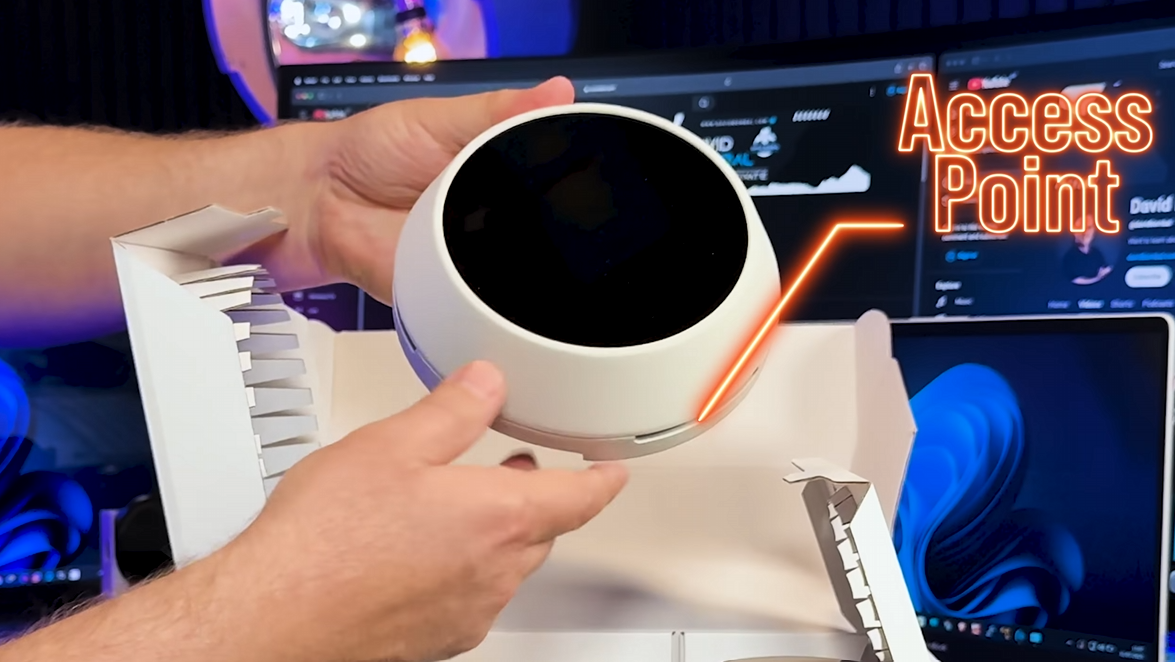
Credit to David Bombal
Installation and the "Invisible Light" Advantage
When thinking about LiFi, many people imagine having to rip out every light bulb in their home and sit directly under a blazing LED just to get internet. Fortunately, the technology has evolved significantly.
Infrared Technology over Visible Light: Modern commercial LiFi systems, such as Oledcomm's LiFiMAX and Signify's Trulifi, primarily use infrared (IR) light to transmit data rather than visible light. Because infrared is invisible to the human eye, you don't need to keep your room illuminated to stay connected. More importantly, you do not need to replace every light fixture in your house; you only need to install access points in the specific rooms where you want the LiFi network.
Flexible Setup Options: While permanent, ceiling-mounted access points provide the widest and most seamless coverage, they aren't your only option. If you want to avoid the cost of hiring an electrician to run Ethernet and Power over Ethernet (PoE) cables through your ceiling and walls, many systems offer flexible alternatives:
Surface Mounting: Access points can be mounted to walls or surfaces without cutting into drywall.
Freestanding Mounts: You can attach an access point to a DIY stand, a heavy-duty tripod, or a modified lampstand, keeping it at a reasonable height to blanket your desk or living room couch with connectivity. As long as the access point can plug into a PoE switch and an internet source, it will broadcast a signal.
The Silver Lining: Operational Savings and Health: For those who are sensitive to electromagnetic fields (EMF), LiFi offers a completely radio-frequency-free environment. Furthermore, because the systems utilize highly efficient optical components, operational power costs remain low over the long term, offering a greener, cleaner alternative to traditional Wi-Fi arrays.
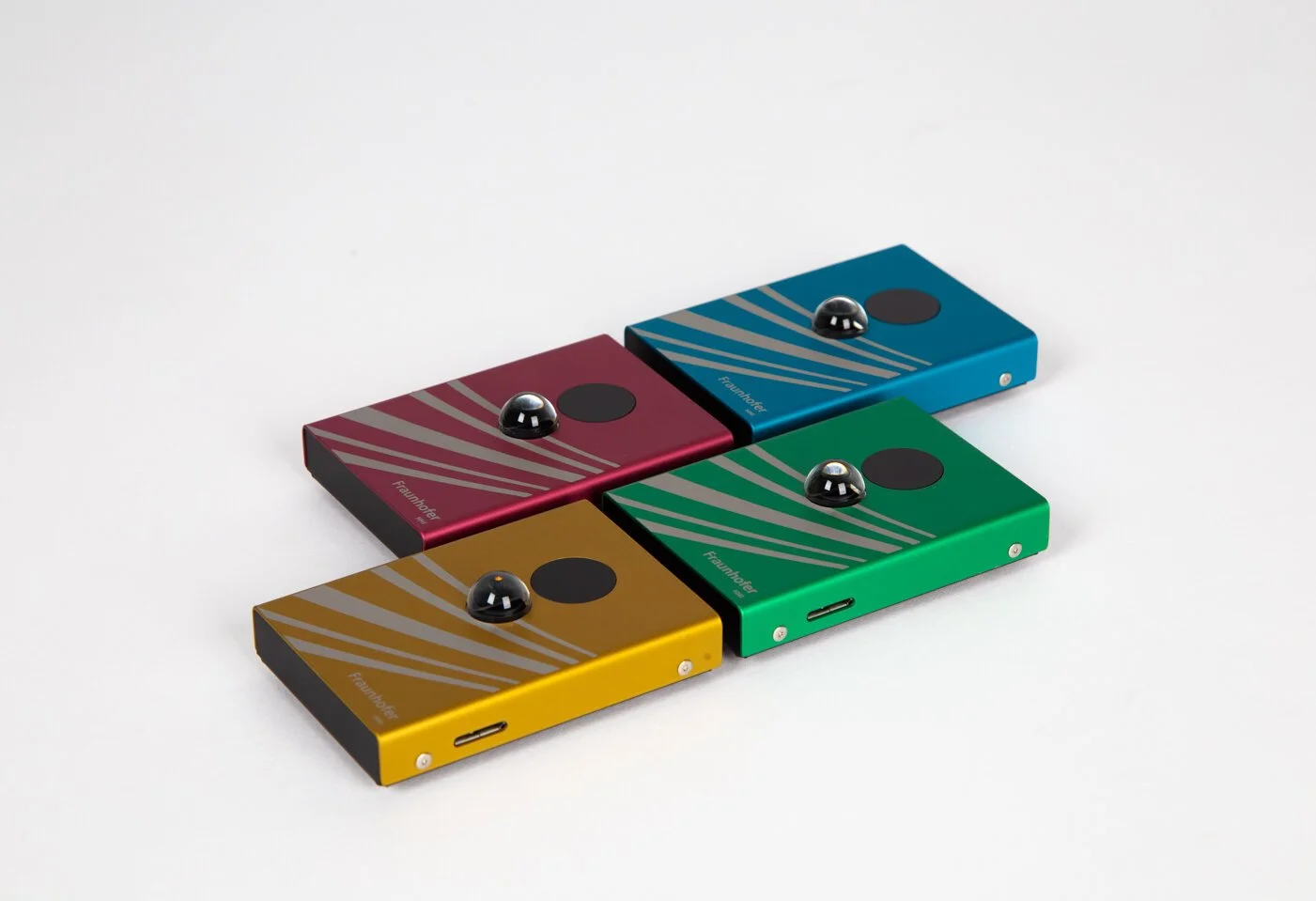
Credit to Fraunhofer HHI
The Verdict
So, is LiFi cheaper than Wi-Fi? Absolutely not, at least, not yet.
Wi-Fi benefits from decades of mass production, making it incredibly affordable for general home use. LiFi, on the other hand, is currently priced for enterprise clients, military applications, and tech enthusiasts willing to pay a heavy premium for its absolute security, zero-interference connectivity, and blazing-fast data density.
Until optical LiFi sensors are integrated directly into our smartphones and laptops at the manufacturing level, deploying a light-based internet network in your living room will remain a four-figure project.