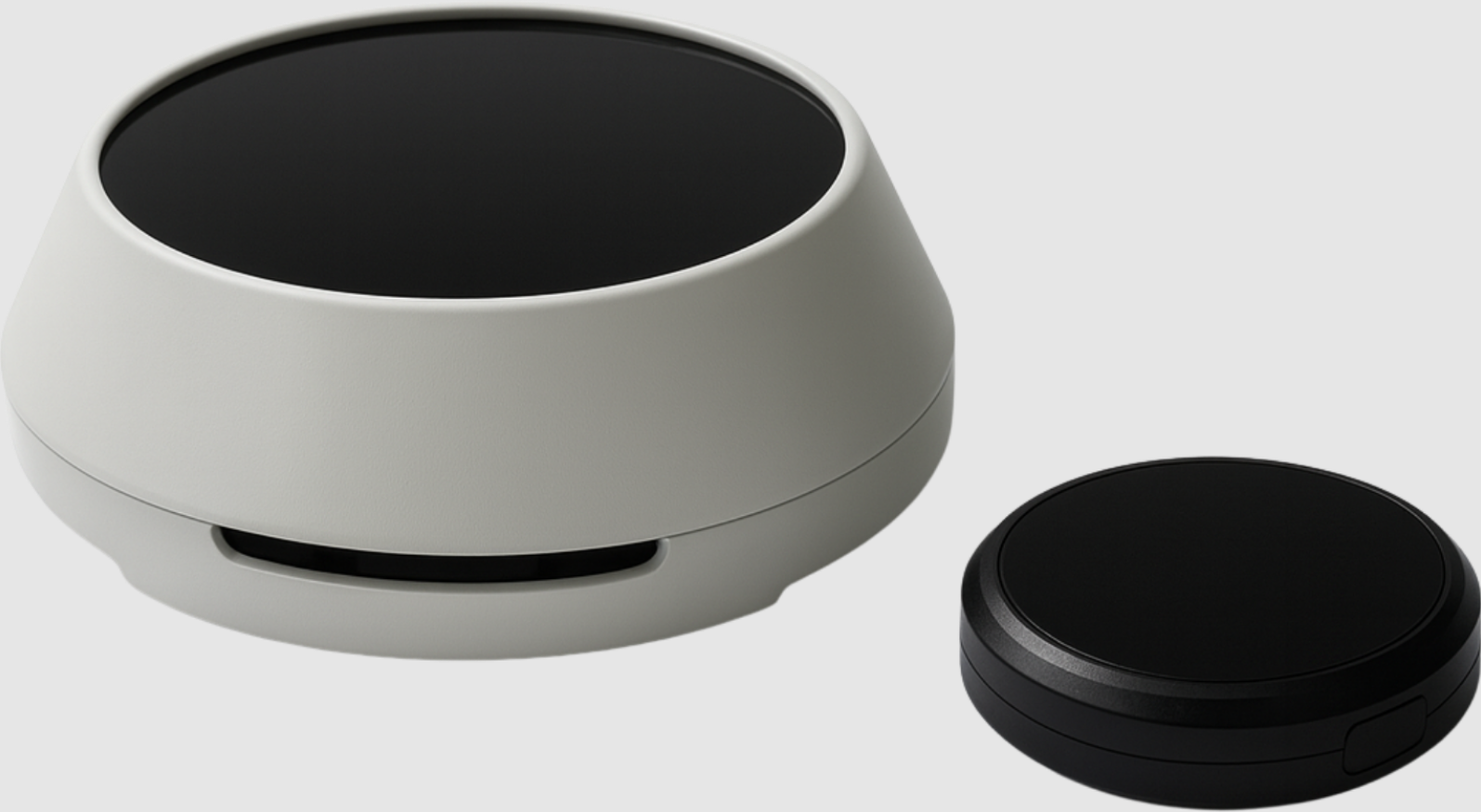
Credit to AeroLiFi
The short answer is yes: you can buy LiFi today. If you want to transmit your internet data via light waves instead of traditional radio frequencies, the hardware is officially on the market.
However, you won't find it on the shelves at your local big-box electronics store just yet. Right now, LiFi is primarily sold through specialised tech distributors or LiFi companies themselves, and it serves as a highly secure complementary wireless technology to Wi-Fi rather than a complete replacement.
Here is a look at what is available on the market today.
What LiFi Products Can You Actually Buy?
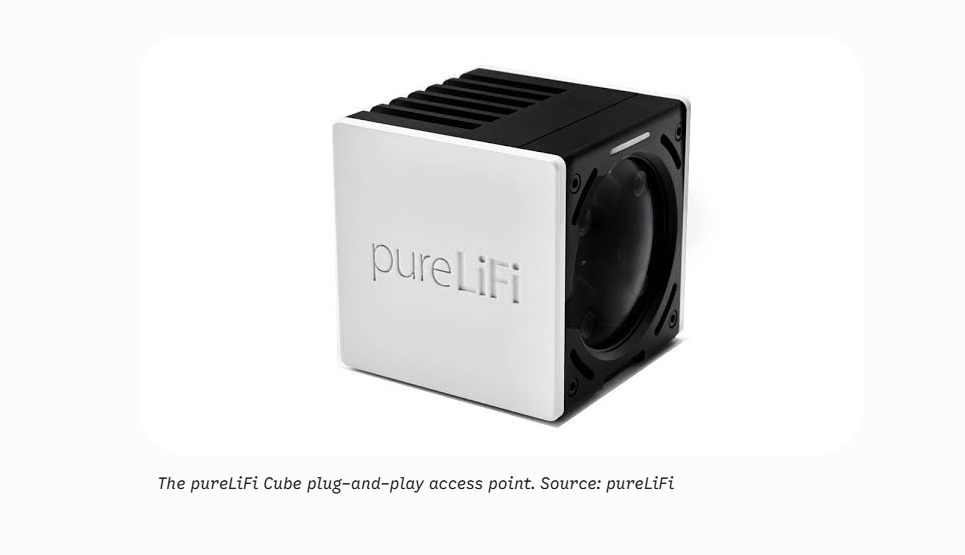
Thanks to recent global standards (specifically IEEE 802.11bb) that make light-based internet compatible with existing Wi-Fi networks, major LiFi companies have commercially available product lines.
LiFi Access Points: Companies like pureLiFi and Oledcomm sell standalone access points, such as the LiFi Cube. You simply plug the device into a local network or ethernet port, and it acts as a LiFi hotspot, beaming a secure, high-speed connection across your room using invisible infrared light.
LiFi Transceivers and LiFi Antennas: For example, Signify offers the Trulifi series as their LiFi systems. These come with commercial-grade transceivers built directly into overhead office lighting. They hand off your internet connection seamlessly as you walk between rooms, similar to a traditional Wi-Fi mesh network.
USB LiFi Receivers: Because most current laptops and phones do not have built-in LiFi receivers, you usually need to plug in a USB dongle (like the one from LiFiMAX, Trulifi or Aerolifi) to connect to a LiFi network. Over 8 years ago, you could purchase some LiFi-enabled LED desk lamps that bathe your workspace in both light and an internet connection simultaneously. Now, it’s very difficult to acquire these LiFi desk lamps.
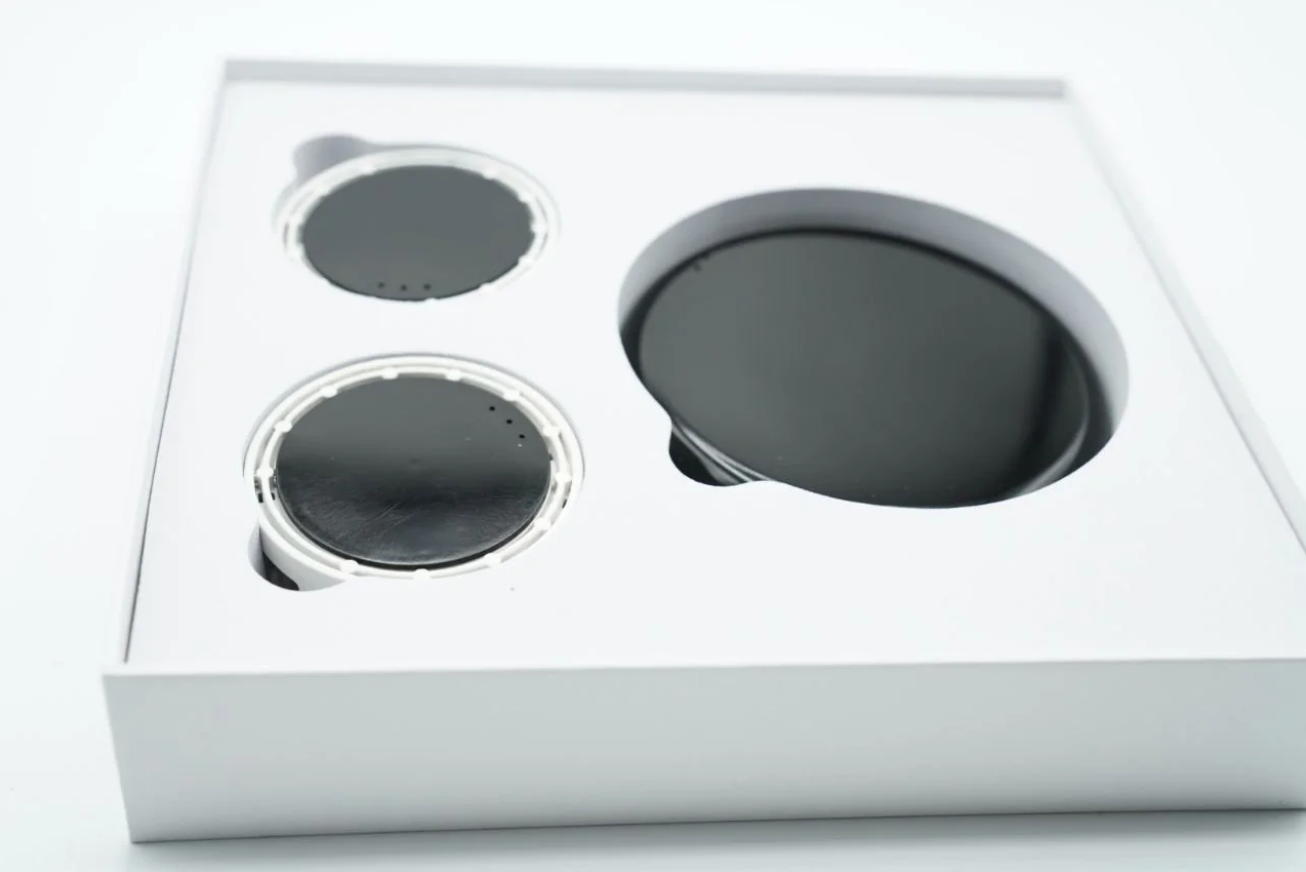
Oledcomm LiFiMAX RevE - Credit to LiFi Tech News
Who Is Buying It?
While early-adopting consumers can order starter kits online, the current LiFi market is largely driven by commercial, defense and government sectors that require its unique physical benefits:
Defense & Security: Light cannot pass through walls. This means a LiFi network is physically contained to the room the light is shining in, making it incredibly difficult for bad actors to intercept, jam, or hack.
Hospitals & Aviation: Wi-Fi radio frequencies can occasionally interfere with sensitive equipment, like MRI machines or aircraft cockpit instruments. Because LiFi relies entirely on light, it produces zero electromagnetic interference, making it a perfectly safe alternative for medical and aerospace environments.
Industrial Factories: Warehouses packed with metal shelving or heavy machinery often suffer from Wi-Fi dead zones and signal bounce. LiFi cuts through radio congestion to keep industrial operations running smoothly.
The Bottom Line
If you need an ultra-secure, interference-free network, or if you simply want to experiment with next-generation internet tech, you can buy some LiFi equipment right now. Basic starter kits generally starts from $1,100 through specialty distributors such as LiFiMAX Switzerland, Hellolifi and many more.
For the average home user looking to stream TV or browse social media, standard Wi-Fi remains the cheapest and easiest option. In the near future, we hope to see consumer devices embedded with LiFi components.