UK Space Agency Injects £17m to Propel Next-Gen Space Innovation and Connectivity
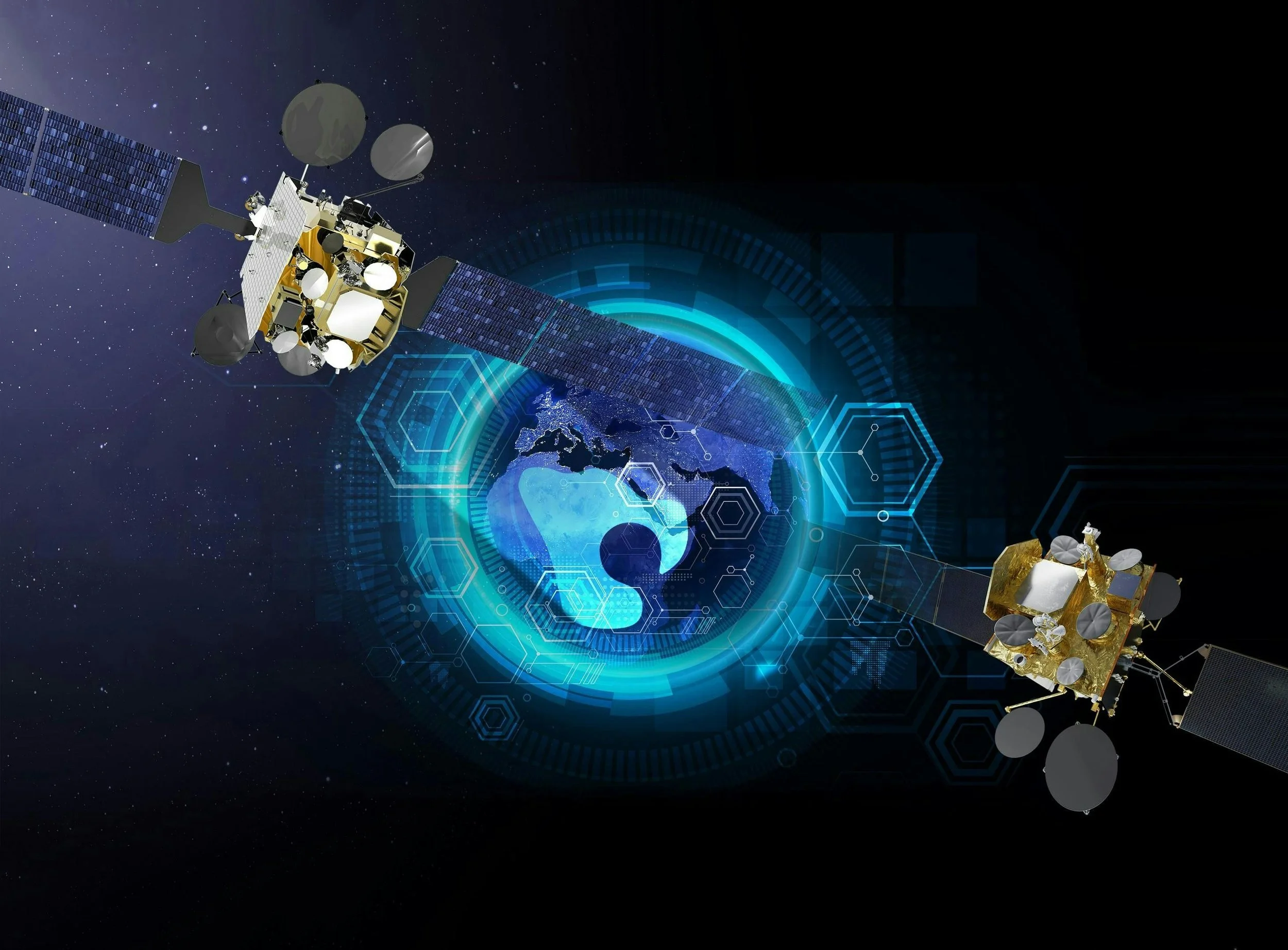
The UK Space Agency has officially announced a £17 million investment aimed at accelerating 17 pioneering space projects across the UK. Funneled through the National Space Innovation Programme (NSIP), this funding is set to reinforce the UK’s status as a global leader in space technology, with a heavy emphasis on satellite communications, Earth observation, and sustainable in-orbit operations.
The selected projects cover five strategic themes essential to the nation's space ambitions: space domain awareness, in-orbit servicing and manufacturing, Earth observation, satellite communications, and position, navigation, and timing.
For the tech and communications sector, this investment signals a massive leap forward. From quantum communications to UV-based inter-satellite links, these projects promise to deliver transformative technologies that will enhance connectivity and strengthen national security.
A New Era for Satellite Communications and Optical Tech
Of particular interest to the optical and wireless communication sectors are the strides being made in secure data transfer.
The University of Bristol, in partnership with the University of Bath, Fraunhofer UK Research Ltd, University of Strathclyde, and University of York, has received £980,000 to create UV-based secure communication devices. These devices are designed for smaller size and longer-distance inter-satellite CubeSat links. This use of light-based communication aligns closely with the principles driving the optical wireless communication in particular the LiFi industry, offering a glimpse into the future of secure, non-radio frequency data transmission in space.
Additionally, Toshiba Europe Ltd, alongside Heriot-Watt and Cambridge Universities, has secured £1.45 million to space-qualify critical quantum optoelectric components. These will be integrated into UK-developed secure quantum communication systems for small satellites, marking a significant step toward unhackable global connectivity.
Filtronic Broadband Ltd also received £1.18 million to construct a high-powered amplifier system for satellite communications, further bolstering the UK's infrastructure for next-gen connectivity.
Sustainability and AI at the Forefront
Beyond communications, the funding places a spotlight on sustainability and Artificial Intelligence. The UK Government emphasised that these innovations will help build a resilient and competitive space sector.
AI for Earth: HR Wallingford is developing an AI tool using satellite data to assess farming impacts on water quality, aiding environmental protection.
Green Propulsion: Protolaunch is working on a water-based propulsion system, while Orbit Fab is taking the first steps toward a refuellable electric propulsion system to promote greener satellite operations.
Debris Management: Lodestar Space is developing autonomous, modular robotic tools to service spacecraft in orbit, a crucial move to reduce space debris and extend satellite lifespans.
"Benefits People's Lives Every Day"
Space Minister Liz Lloyd highlighted the tangible impact of these technologies:
“Space technology benefits people’s lives every day – from checking the weather to navigating your car journey home from work. This funding backs the brilliant UK innovators developing the next generation of space technology. By supporting our space sector, we’re strengthening the UK’s position as a world leader in space innovation and building technologies that will benefit people across the country for years to come.”
The initiative is anticipated to create up to 140 skilled jobs across the UK, strengthening the talent pipeline in engineering, data science, and advanced manufacturing.
A Growing Sector
This new investment builds upon the UK’s £18 billion space sector, which continues to be a leading destination for global space investment. It also follows the UK’s recent agreement to invest £1.7 billion in European Space Agency (ESA) programs, bringing the total commitment to £2.8 billion over the next decade.
Professor Mark Sims and Professor Anna Hogg, Co-Chairs of the Space Academic Network (SPAN), praised the collaboration between industry and academia:
“The strengthening of collaboration between industry and academia over the last decade clearly demonstrates the power of working together. The wide variety of technologies now being developed through NSIP is exciting to see, each one representing an opportunity to advance the sector and drive future growth.”
With projects ranging from Magdrive’s metal-based plasma propulsion to BAE Systems’ radio signal tracking, the NSIP funding represents a diverse and robust approach to securing the UK's future in the stars.
Source: https://businessnewswales.com/uk-space-agency-invests-17m-to-drive-next-wave-of-space-innovation/