Taara Recognised As A Winner in The General Excellence category of Fast Company's World Changing Ideas Awards 2026.
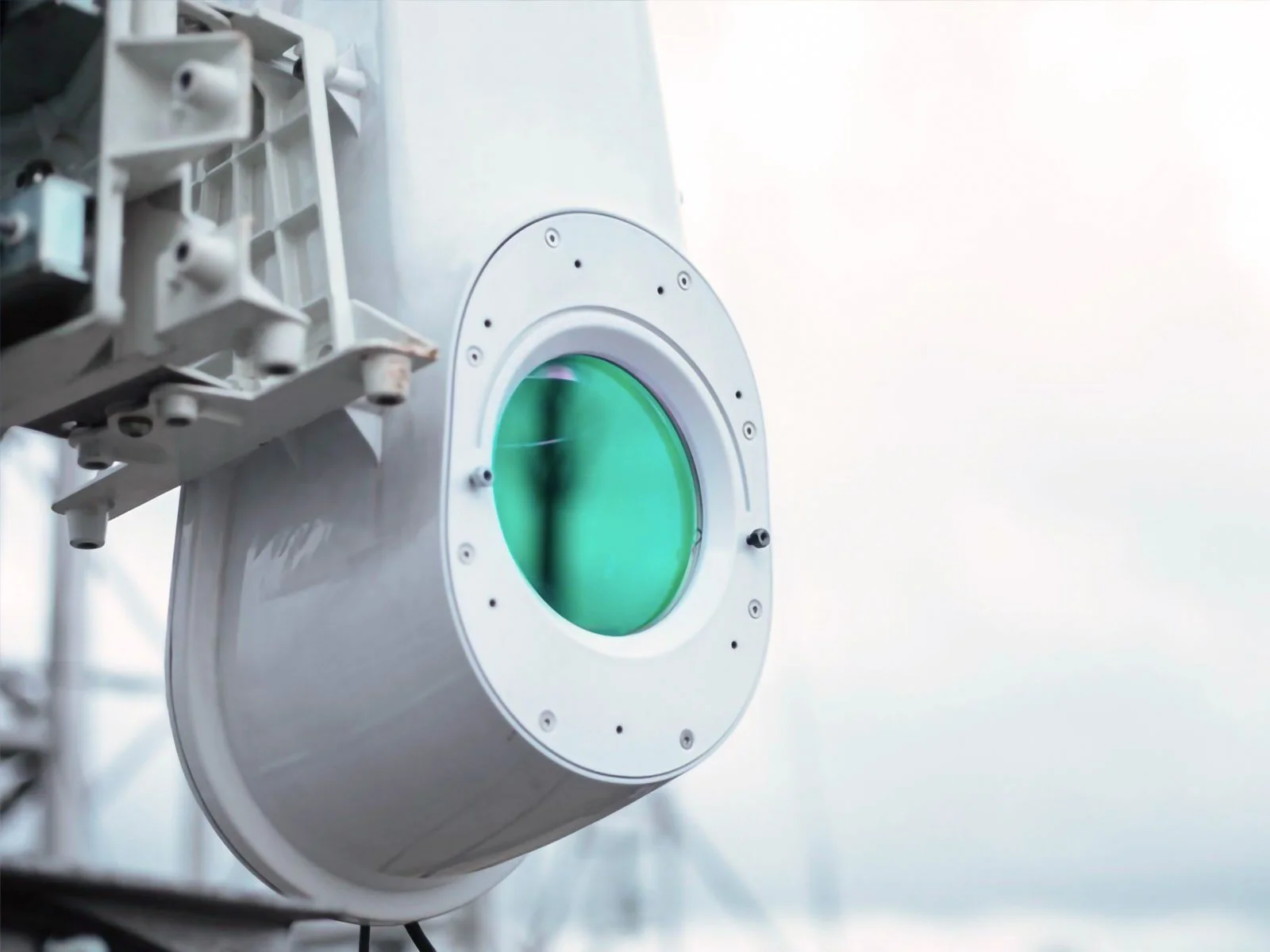
Image credit to Taara
Taara has been officially recognised as a winner in the General Excellence category of Fast Company's highly coveted World Changing Ideas Awards 2026.
For readers of LiFi Tech News, the rise of optical data transmission is a familiar and exciting narrative. But Taara’s latest milestones prove that shooting invisible beams of light through the air isn't just a fascinating alternative to Wi-Fi, it is rapidly becoming the backbone of the future high-speed internet.
From Alphabet "Moonshot" to Independent Powerhouse
Taara's journey began nine years ago deep within "X," Alphabet’s famous Moonshot Factory. Tasked with solving some of the world's most complex connectivity barriers, the team spent years refining their technology before officially spinning out of Alphabet as an independent company in March 2025.
Their core technology relies on Free Space Optical Communication (FSOC). Instead of sending data through physical copper wires, fibre-optic cables, or radio frequencies, Taara transmits data between small terminals using narrow, invisible beams of light.
The results are staggering. Taara’s flagship product, Lightbridge, delivers the rock-solid stability of wired fibre-optic connections but without the massive cost and logistical nightmare of digging up streets to lay cable. It is incredibly fast, capable of delivering blazing speeds of up to 20 gigabits per second across distances of up to 20 kilometres.
Bypassing the Infrastructure Bottleneck
The immediate appeal of Free Space Optical Communication is its ability to deliver high-speed internet to remote or tricky-to-wire locations.
Taara proved this on massive scales early on. In 2023, major telecom clients like T-Mobile deployed Taara's technology at high-density, temporary events where laying new fiber simply wasn’t an option. By setting up Taara links at major events like Coachella and the Albuquerque International Balloon Fiesta, they successfully provided massive bandwidth to thousands of users seamlessly through the air.
Connecting Rio: The World’s First Wireless Optical Mesh Network
While festival deployments proved the technology's capability, Taara's current project is truly world-changing. The company is currently transforming Rio de Janeiro, Brazil, by building the world’s first wireless optical mesh network.
While Rio already has an existing fibre network, extending that infrastructure has been nearly impossible in certain areas. Founder and CEO Mahesh Krishnaswamy noted that the city lacked “a fast, flexible way to extend that capacity into the neighbourhoods, especially the favelas, which are dense, organic, low-rise communities built on uneven terrain with narrow streets.”
To bridge this digital divide, Taara is building a robust system of 20-plus optical links directly in neighbourhoods historically plagued by unreliable service. By beaming high-speed data over the uneven terrain, this new mesh network will securely connect schools and hospitals, as well as facilitate critical emergency responses.
A Global Template for the Future
The Rio de Janeiro project is more than just a local upgrade; it is a blueprint for global connectivity.
“If we can prove this model here, we have a template for cities like Lagos or Jakarta—places defined by density and infrastructure constraints,” Krishnaswamy explains.
For those of us tracking the evolution of light-based data transmission, from indoor LiFi setups to long-range FSOC, Taara's 2026 Fast Company award is a massive validating moment. It proves that whether we are securing data in a single classroom or beaming 20 Gbps of internet across a dense urban favela, the future of global communication is undoubtedly going to be written in light.
Source: https://www.fastcompany.com/91549066/taara-world-changing-ideas-2026?r=0117F2552789I9E