How LVX System Brought LiFi to a School in 2015 Years Before pureLiFi Did?
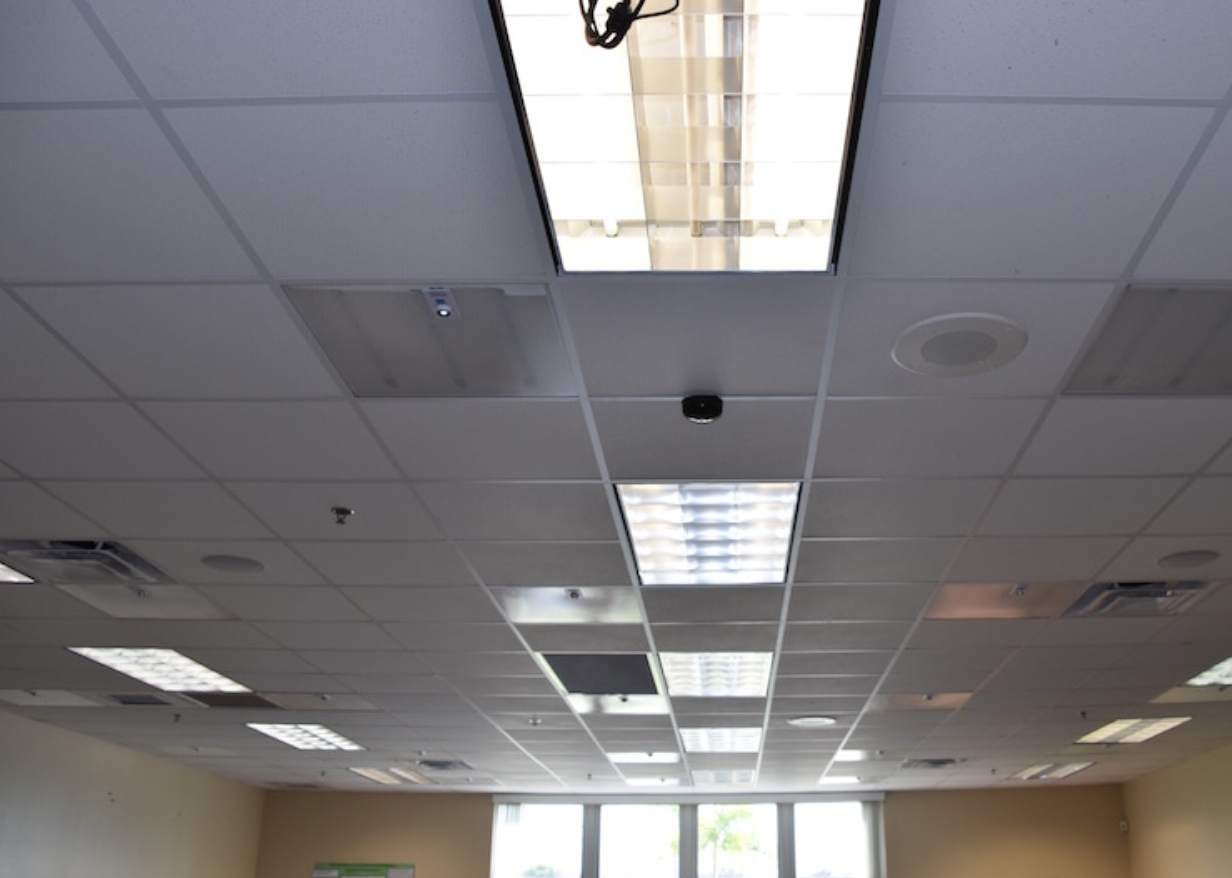
Image credit to The Roar
When tracking the history of real-world LiFi deployments, many in the industry point to pureLiFi’s highly publicised Scottish school installation in 2018 as the world’s first for LiFi install in education. However, a deep investigation into the archives reveals a different story, one of a trailblazing, though now bankrupt, company that actually achieved this milestone three years earlier.
In 2015, LVX System successfully installed a working LiFi network in a classroom at West Shore Jr./Sr. High School in Brevard County, Florida. This groundbreaking pilot project confirms that viable, real-world LiFi testing was happening long before the mainstream timeline suggests.
Over 20 Years of Hidden Innovation
While LVX System may have eventually closed its doors, their contribution to LiFi cannot be ignored. According to historical footage and coverage from the West Shore Roar in 2015, the vice president of LVX visited the school and revealed that the company had been quietly working on this technology, and securing patents, for over two decades prior to the installation.
This meant that while the rest of the world was just getting used to widespread Wi-Fi, LVX had already spent over 20 years engineering light-based data transmission.
Inside the 2015 West Shore Pilot
So, how did this early iteration of LiFi look and function in a 2015 classroom?
LVX approached the Brevard school system specifically to get STEM students actively involved with their cutting-edge tech. The setup featured programmable, energy-efficient LED lights that doubled as a highly secure network connection.
Based on contemporary video transcripts from the classroom, the system boasted several features that LiFi advocates still champion today:
Zero Bandwidth Congestion: Because the data was transmitted via light photons rather than radio frequencies, the network speed did not degrade when multiple users connected. It bypassed the standard Wi-Fi overload issues completely.
The "Jump Drive" Receiver: To access the LiFi network, students used a specialised receiver plug-in that resembled a standard USB flash drive, an impressive feat of miniaturisation for 2015.
Programmable Zoning: The LED lights themselves were highly advanced for the time, connected to a central computer that allowed for different types of lighting and data zones within a single classroom.
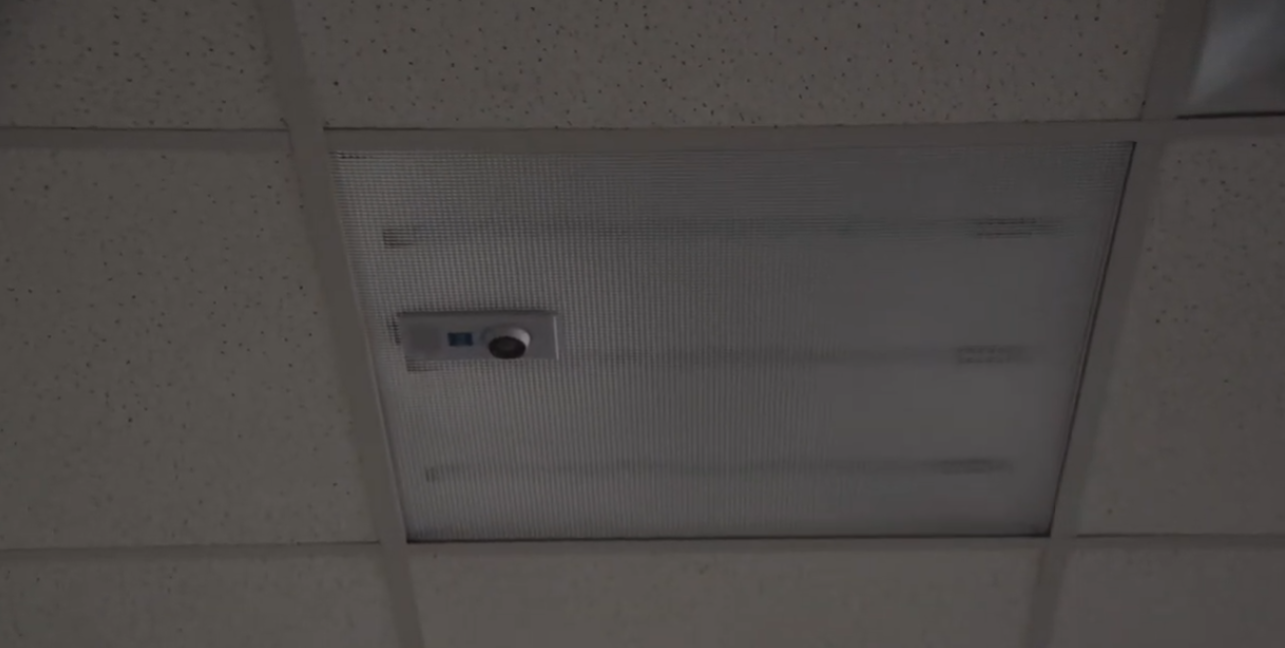
Image credit to The Roar
A Legacy Written in Light
It is easy to focus only on the current giants of the LiFi industry such as Oledcomm, pureLiFi and Signify. But progress is a ladder, and the earliest rungs are often built by visionaries who don't always survive to see the ultimate commercial boom.
The discovery of the West Shore project firmly establishes that LVX System was conducting tangible, physical pilot projects with schools well ahead of the curve. Though the company is now bankrupt, their 2015 classroom installation proves they were genuine pioneers of light communication. They proved the technology was not just a lab experiment, but a real-world tool ready to empower the next generation of STEM students.
As LiFi continues to evolve into a complementary wireless technology Wi-Fi, especially regarding security and speed, it is crucial to remember the early trailblazers like LVX System who helped illuminate the path.