LCA Webinar Recap: Prof. Harald Haas Unveils Recent Advances in Light-Based Wireless Networking
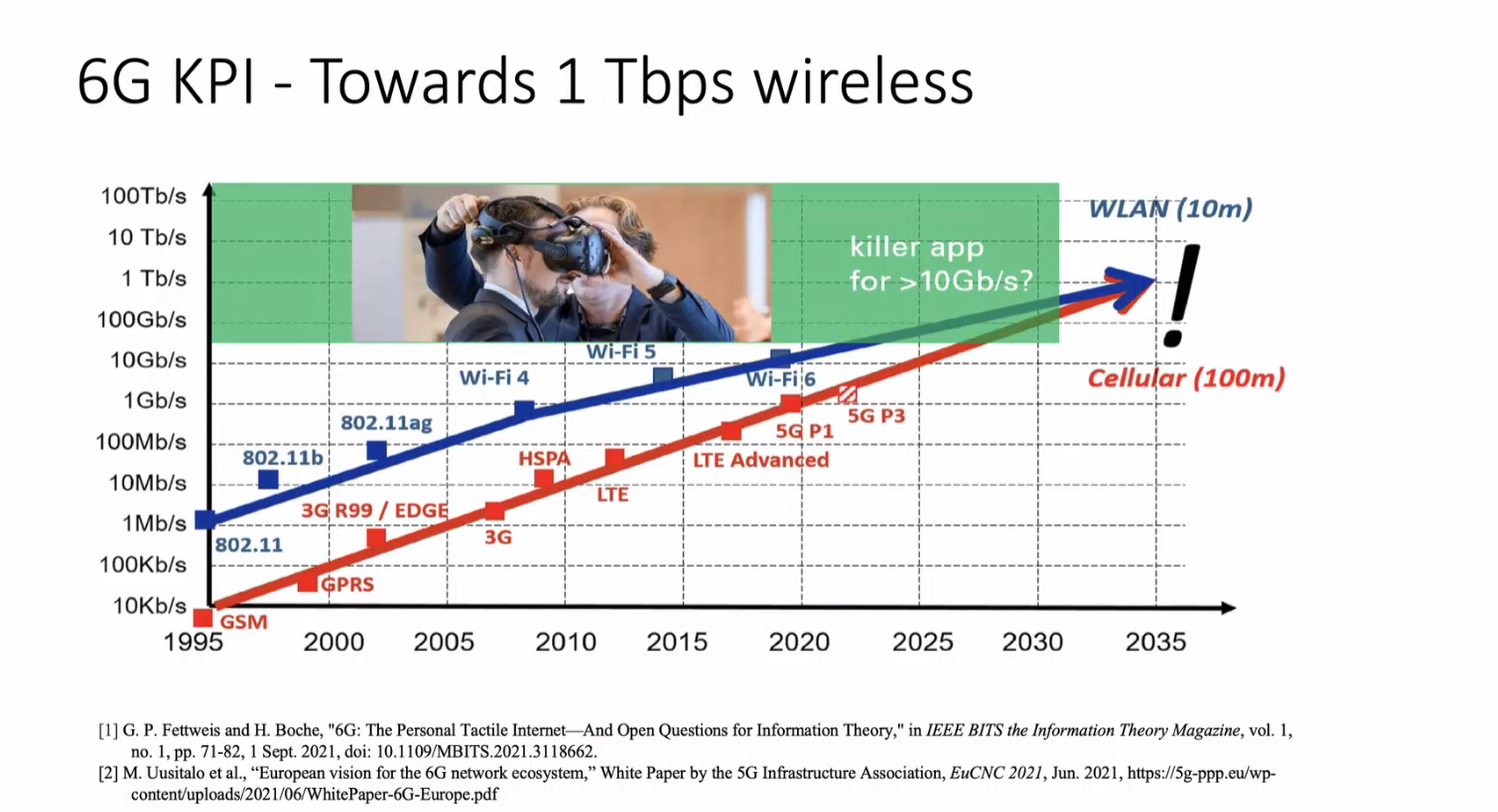
Image credit to Prof. Harald Haas and The LCA
By LiFi Tech News Team
In a highly anticipated recent webinar hosted by the Light Communication Alliance (LCA), the international tech community gathered to gain insights from none other than Professor Harald Haas, globally recognised as the "Father of LiFi."
Professor Haas delivered an insightful presentation titled “Recent Advances in Light-Based Wireless Networking.” During the session, he shed light on the rapid evolution of LiFi technology, its integration into the broader telecommunications ecosystem, and the specific hardware breakthroughs that are making mass-market adoption a reality.
If you missed the live session, we at LiFi Tech News have you covered and written some summarised points of the webinar. Here is our comprehensive breakdown of the key takeaways from Professor Haas’s ground-breaking presentation.
The Visionary Perspective: Surviving the Spectrum Crunch
Professor Haas kicked off the webinar by addressing the impending radio frequency (RF) spectrum crunch. As the world becomes increasingly reliant on connected devices, our current infrastructure is being pushed to its absolute limits.
With traditional RF bands becoming increasingly congested due to the explosion of the Internet of Things (IoT), smart city infrastructure, and data-heavy applications, the need for an alternative communication medium is no longer just a luxury, it is critical. We are approaching the Shannon limit of RF data transmission, meaning we physically cannot squeeze much more data into the existing Wi-Fi and cellular frequencies.
This is where light-based wireless networking enters the equation. Haas reminded the audience that LiFi leverages the visible and invisible light spectrum, which is exponentially larger, thousands of times larger, in fact, than the entire radio frequency spectrum.
Haas emphasized that LiFi is no longer just a theoretical concept or a niche alternative developed in university laboratories. It is rapidly maturing into a foundational pillar for next-generation wireless networks, including the highly anticipated rollout of 6G. By unlocking the optical spectrum, we unlock virtually unlimited bandwidth.
Pushing the Boundaries: Transmitter Tech and Tbps Speeds
One of the most technically exciting segments of the webinar focused on the sheer data-carrying capacity of modern LiFi systems. Professor Haas took the audience through the evolution of transmitter technologies, explaining how we are moving far beyond the capabilities of early LiFi prototypes.
Initially, LiFi used standard off-the-shelf LED bulbs, which provided impressive speeds but were ultimately limited by their modulation rates. Haas detailed the recent breakthroughs in shifting from standard LEDs to micro-LEDs. Because micro-LEDs are significantly smaller, they can be turned on and off (modulated) at vastly higher speeds, dramatically increasing the data transmission rate.
Furthermore, Haas introduced the integration of edge-emitting laser diodes into the LiFi ecosystem. Unlike traditional LEDs, lasers offer a highly concentrated and incredibly fast medium for data transfer. These advancements have drastically increased modulation bandwidths, pushing LiFi capabilities out of the Gigabit-per-second (Gbps) ranges and closer to the incredible Terabit-per-second (Tbps) frontier.
The Game-Changing Role of VCSELs
Another technical highlight from Professor Haas’s presentation was the pivotal role of Vertical-Cavity Surface-Emitting Lasers (VCSELs). While visible light LEDs perfectly serve the dual purpose of room illumination and data communication, Haas highlighted VCSELs as the critical component for the future of ultra-fast, invisible LiFi.
VCSELs operate primarily in the invisible infrared spectrum. This means they can transmit massive amounts of data without emitting visible light, making them perfect for devices running in the dark or for mobile devices like smartphones and laptops where an illuminated beam is not desired.
Haas passionately explained that VCSELs boast exceptionally high modulation bandwidths, low power consumption, and remarkable reliability. They are highly efficient at beaming data over short to medium distances, making them ideal for dense indoor environments.
Perhaps the most exciting aspect of VCSELs is their commercial readiness. Because VCSEL technology is already mature and mass-produced for consumer electronics, most notably serving as the hardware behind facial recognition systems (like Apple's FaceID) in smartphones, the manufacturing ecosystem already exists. Haas pointed out that leveraging this existing, multi-billion-dollar supply chain will be instrumental in scaling LiFi hardware rapidly. It drastically lowers the barrier to entry, allowing manufacturers to produce LiFi components cost-effectively for the mass market.
Seamless Interoperability: Hybrid Networks and IEEE 802.11bb
Another major theme of the LCA webinar was interoperability. A common misconception about LiFi is that it aims to render Wi-Fi and cellular networks obsolete. Haas stressed that LiFi is not designed to replace Wi-Fi or 5G, but rather to complement them in a hybrid network architecture.
By offloading heavy data traffic to the light spectrum in high-density environments, such as open-plan corporate offices, crowded sports stadiums, airport terminals, and hospitals, networks can achieve unprecedented overall efficiency. This offloading frees up the RF spectrum for devices that genuinely need to transmit data through walls or over long outdoor distances.
The presentation highlighted recent architectural frameworks and standardisation milestones, specifically the ratification of the IEEE 802.11bb standard. This global standard allows LiFi to integrate smoothly with the existing 802.11 (Wi-Fi) family.
Because of this standard, smart devices will soon feature dual-mode capabilities. Haas explained how devices will seamlessly switch between RF and LiFi at the MAC layer depending on availability, network congestion, and signal strength. To the end-user, this handover will be completely invisible, ensuring a flawless, uninterrupted internet experience whether they are walking in and out of a LiFi-illuminated room.
Ironclad Security in a Data-Driven World
In an era where cyberattacks, data breaches, and corporate espionage are daily headlines, cybersecurity is paramount. Light-based communication offers a unique, naturally occurring physical advantage: light cannot pass through opaque walls.
Professor Haas explained how this inherent characteristic creates highly secure, localised networks. If the blinds are drawn and the door is closed, the data stays in the room. This makes LiFi virtually immune to traditional outside eavesdropping, "sniffing," and RF interference.
This level of physical security is generating massive interest from sectors that handle highly sensitive data. Haas noted that defense and military operations, financial institutions, and healthcare facilities are among the earliest adopters of LiFi, prioritising the technology to prevent external actors from intercepting their communications.
Ultra-Low Latency for Next-Gen Applications
Beyond speed and security, the point-to-point nature of light communication drastically reduces network latency. In crowded Wi-Fi environments, devices constantly compete for airtime, causing micro-delays that disrupt real-time applications. LiFi creates dedicated, interference-free lanes of communication.
Haas emphasized that this ultra-low latency makes LiFi ideal for the technologies of tomorrow. Augmented and Virtual Reality (AR/VR) headsets, for instance, require massive data streams with near-zero latency to prevent user motion sickness. LiFi can deliver this flawlessly.
Low-latency light communication is poised to revolutionise advanced industrial automation (Industry 4.0). In automated factories, robots and autonomous guided vehicles (AGVs) require split-second communication to operate safely and efficiently. RF networks often suffer from interference in metal-heavy factory environments, making LiFi an incredibly reliable alternative.
Sustainability: A Greener Path to Connectivity
As the global tech industry strives for greener solutions and net-zero emissions, the environmental impact of telecommunications networks is under heavy scrutiny. Cellular towers, massive data centers, and millions of Wi-Fi routers consume enormous amounts of global electricity.
LiFi presents a highly sustainable option. Haas highlighted how light-based networking uses existing infrastructure, the LED lighting already installed in our homes, streets, offices, and commercial buildings, etc...
By combining illumination and data transmission into a single, energy-efficient system, LiFi eliminates the need for separate, power-hungry RF networking equipment in many scenarios. Haas argued that this convergence of lighting and communications will significantly reduce the carbon footprint of global wireless networks, making it a critical technology for a sustainable future.
The Role of the Light Communication Alliance (LCA)
The webinar also served as a testament to the crucial work being done by the Light Communication Alliance. The LCA is a global organisation dedicated to promoting the adoption and advancement of light communications.
By bringing together industry leaders, academic researchers, component manufacturers, and software innovators, the LCA is driving the standardisation and commercialization of LiFi technology.
Professor Haas’s presentation underscored the importance of this collaborative ecosystem. Transitioning a technology from academic brilliance to consumer availability requires overcoming massive manufacturing, regulatory, and marketing challenges. The LCA provides the unified front necessary to push light communication into the mainstream consumer market, ensuring that hardware and software from different manufacturers work together seamlessly.
Conclusion: What’s Next for LiFi?
As the comprehensive webinar concluded, Professor Haas left the global audience with a powerful, optimistic message: the transition of LiFi from laboratory research to real-world deployment is accelerating faster than ever before.
With standardisations firmly in place, the supply chains for components like VCSELs and micro-LEDs scaling up, and major industry players joining the LCA, the groundwork has officially been laid for mass-market adoption.
The coming years will see an influx of LiFi-enabled devices hitting the market. From smartphones and enterprise laptops to smart city streetlights and connected factory robots, the applications are boundless. For tech enthusiasts, enterprise leaders, and everyday consumers alike, Professor Haas's message is incredibly clear—it is time to prepare for a world completely illuminated by data.
Stay tuned to LiFi Tech News for more updates, deep dives, and exclusive coverage of the latest developments in light-based communication. Don't forget to subscribe to our newsletter and share your thoughts on Professor Haas's presentation in the comments below!
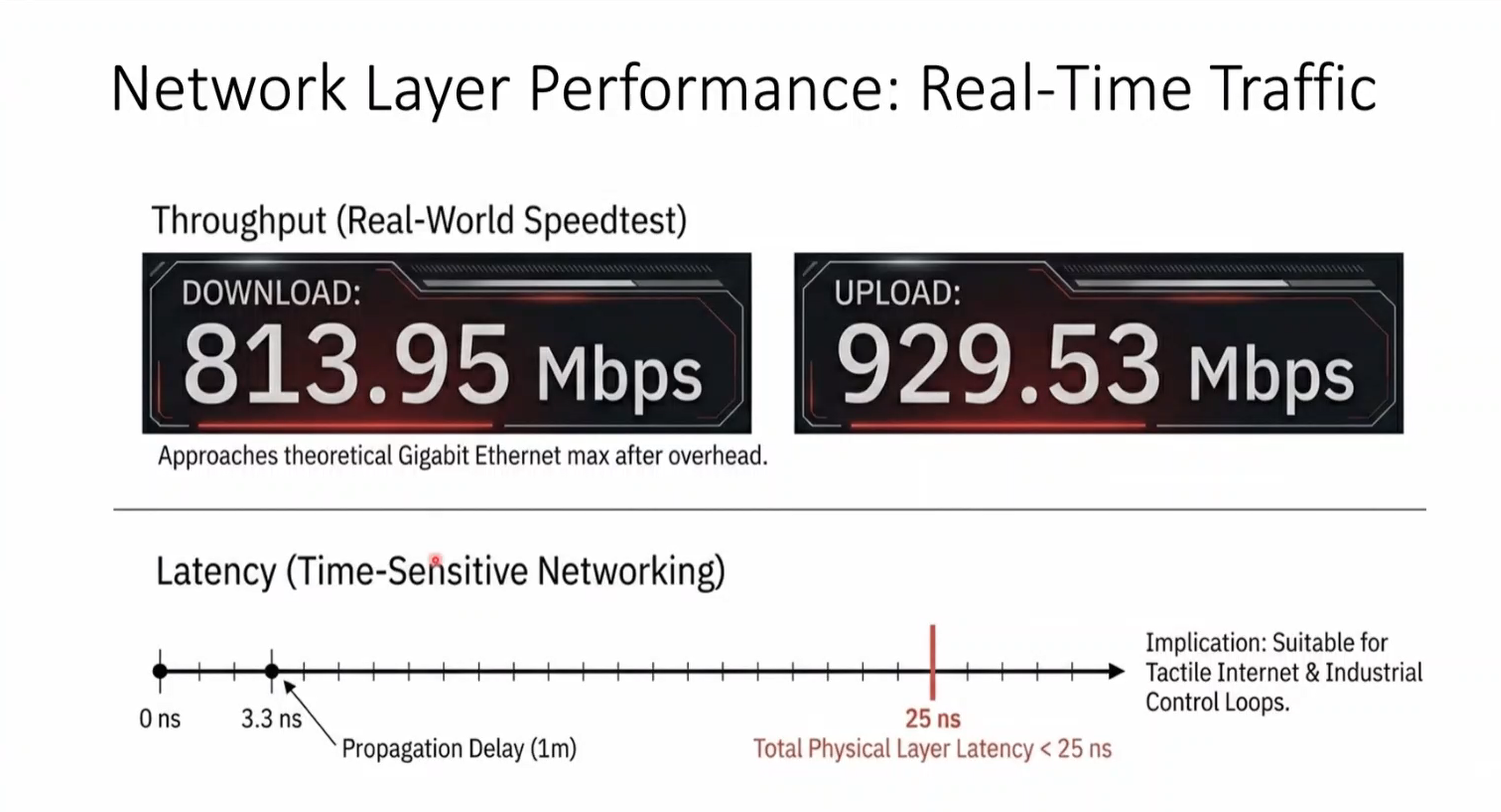
Image credit to Prof. Harald Haas and The LCA
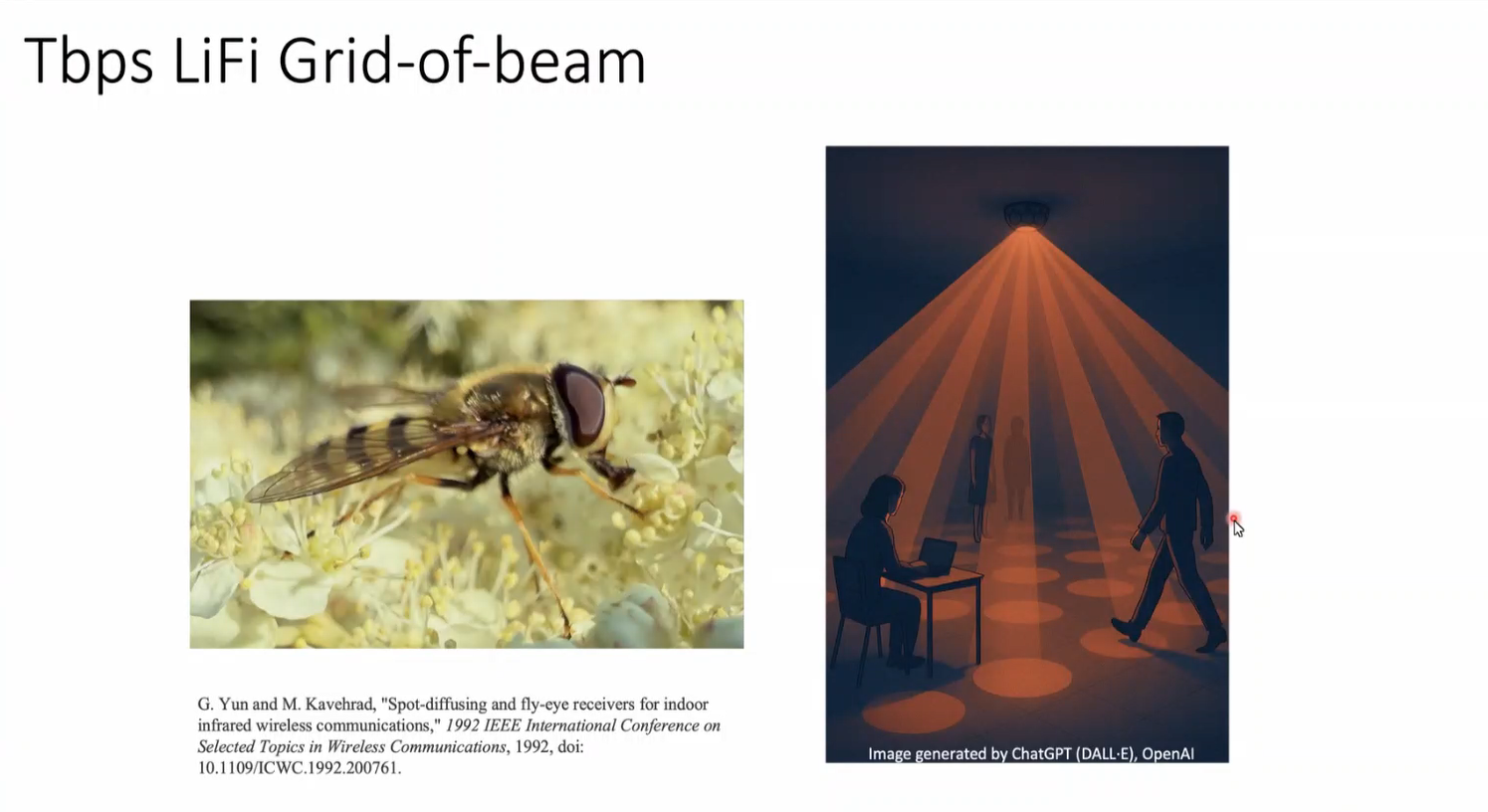
Image credit to Prof. Harald Haas and The LCA