What is LiFi and How Does It Work? The Updated 2026 Guide
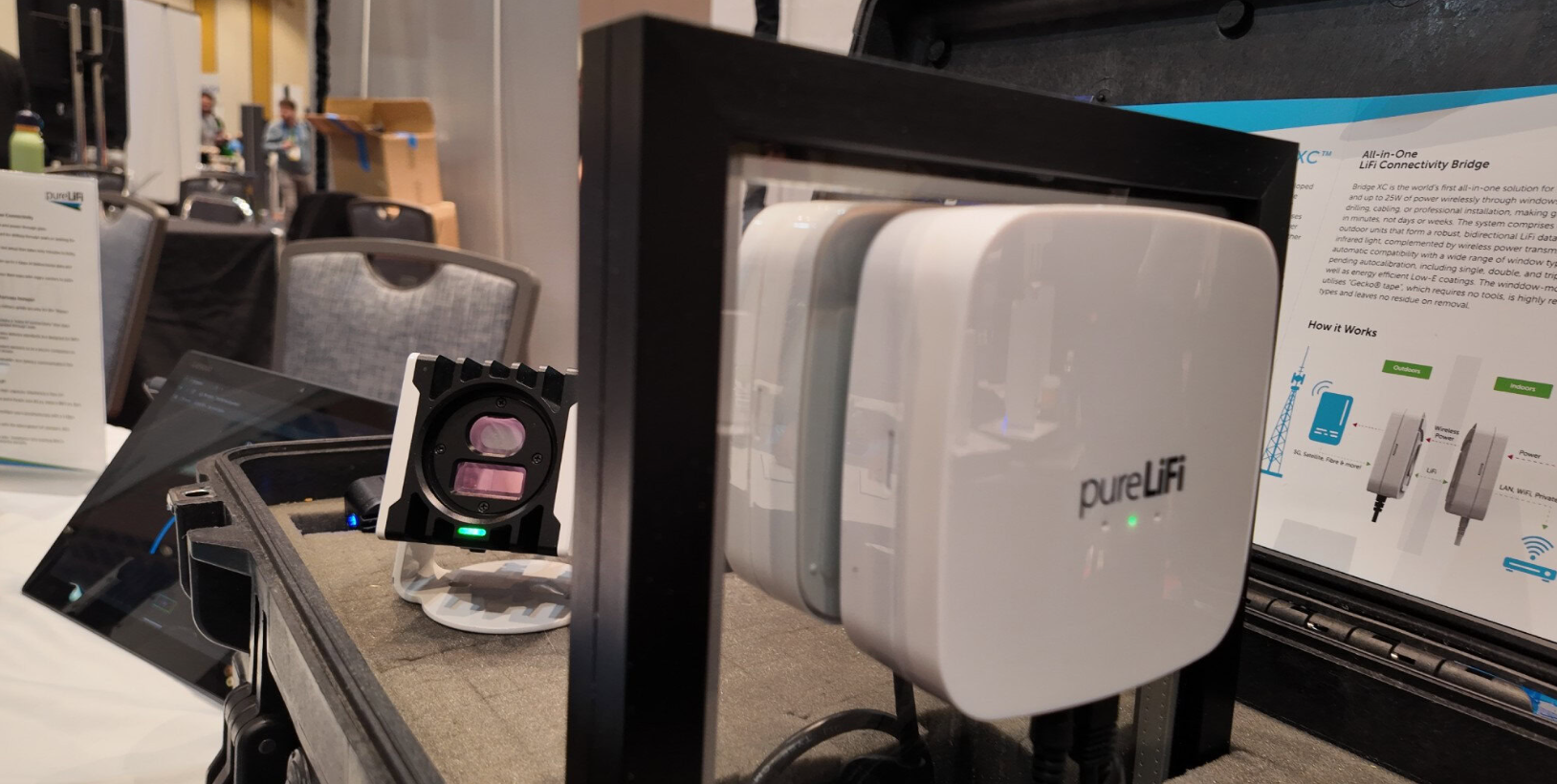
Credit to Android Authority
For years, the conversation surrounding Light Fidelity (LiFi) was characterized by a tug-of-war between scientific reality and marketing hype. Early demonstrations sparked imaginations with the promise of downloading entire high-definition movies in milliseconds simply by standing under a desk lamp. However, as we navigate the technology landscape of 2026, the reality of LiFi is far more nuanced, highly specialized, and deeply embedded in enterprise infrastructure rather than everyday consumer living rooms.
To truly understand what LiFi is, how it works, and where it is going, we must first strip away the sensationalism. We are not yet in an era where off-the-shelf smartphones natively connect to overhead lights in your home. Instead, LiFi has matured into a robust, mission-critical networking technology that solves complex connectivity challenges in environments where traditional Wi-Fi and 5G fall short.
This 2026 guide will explore the true timeline of LiFi, break down its underlying technical architecture, examine its proven real-world deployments, and analyse the ongoing impact of the IEEE 802.11bb global standard.
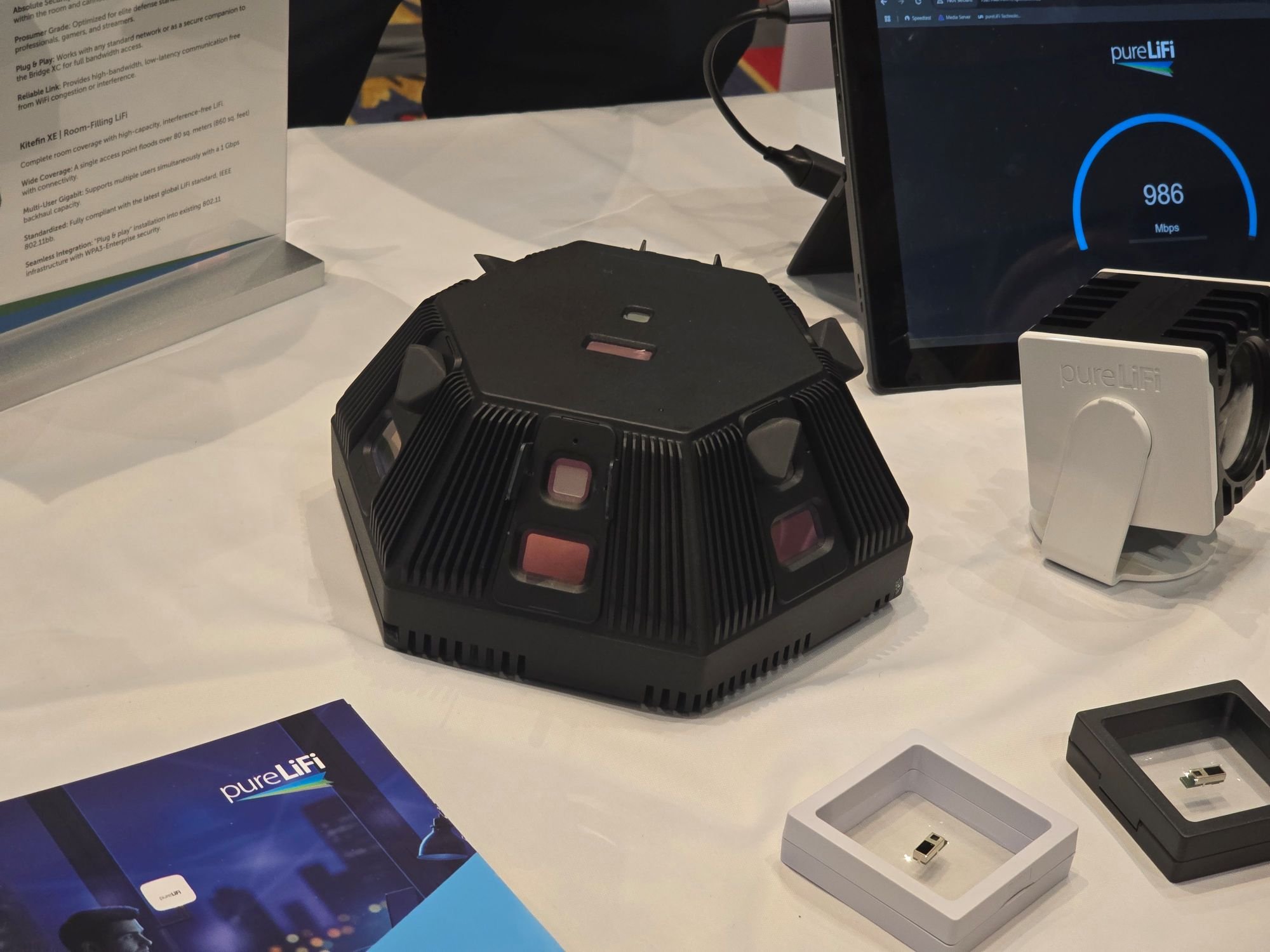
Credit to pureLiFi
Part 1: The True Timeline and Evolution of LiFi
A common misconception is that LiFi is a brand-new invention that suddenly emerged alongside recent standardisation efforts. In truth, the technology has a long, proven track record outside of the laboratory.
The concept of Visible Light Communication (VLC) has existed for decades, but it was coined as "LiFi" in 2011 by Professor Harald Haas, who demonstrated how a single LED could transmit more data than a cellular tower. Following that initial proof of concept, the technology entered a long phase of rigorous research, development, and enterprise piloting.
Long before the official rollout of the IEEE 802.11bb global standard, LiFi had already established a firm foothold in the field. For years, Big LiFi players, most notably pureLiFi, Oledcomm, and Signify have been successfully piloting and installing commercial LiFi systems. These were not theoretical desk experiments; they were active, deployed networks in defense sectors, hospitals, and heavy industrial environments.
For these pioneers, the ratification of the IEEE 802.11bb standard was not the birth of LiFi, but rather a vital standardization milestone. By establishing a universally recognised framework for light-based communications, one that aligns closely with the existing 802.11 Wi-Fi protocols, the standard builds on a proven foundation. It transitions the industry away from proprietary, siloed systems and lays the crucial groundwork for future interoperability and eventual integration directly into consumer electronics.
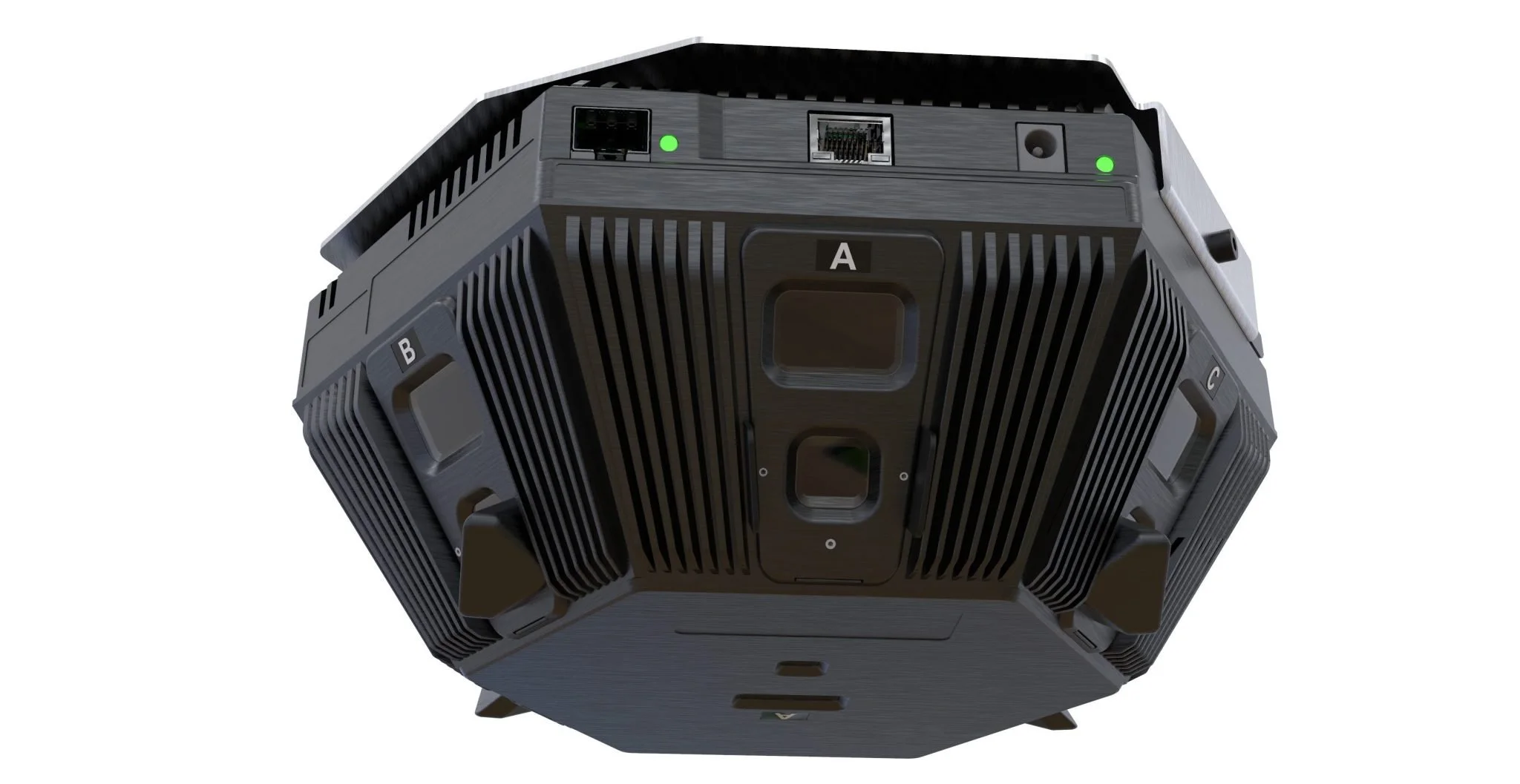
Image credit to pureLiFi
Part 2: How Does LiFi Actually Work? The Technical Breakdown
LiFi is a bidirectional, high-speed wireless communication technology that transmits data using light rather than the radio frequencies (RF) used by Wi-Fi, Bluetooth, and cellular networks.
The Architecture: Access Points, Not Routers
To understand how LiFi functions, it is essential to use the correct networking terminology.
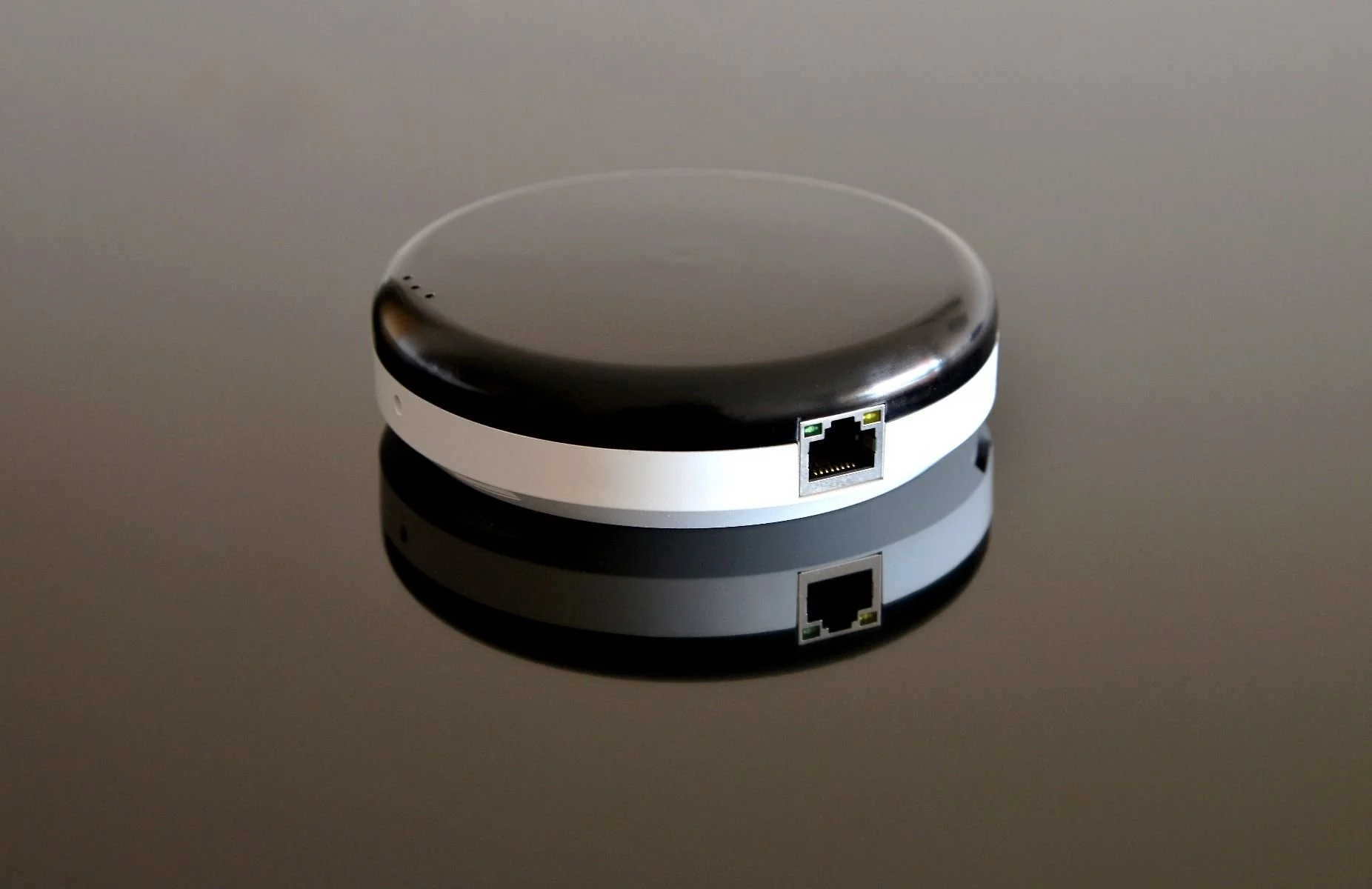
A LiFi network is powered by LiFi access points (APs). These access points are typically installed in the ceiling, often integrated into the building’s lighting infrastructure. The access points do not route network traffic on their own; instead, they connect back to standard enterprise network switches and routers via Power over Ethernet (PoE) cables or traditional copper wiring.
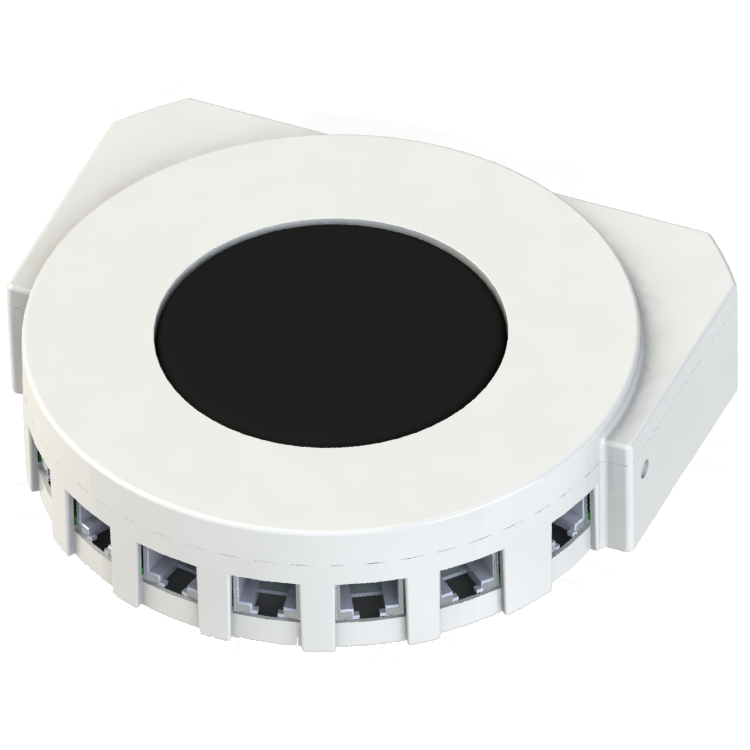
Oledcomm LiFiMAX Access Point
The Transmission Mechanism: Modulation
Once the data reaches the LiFi access point from the central network, the AP translates that data into binary code. It then modulates the intensity of the light emitted by the LED or infrared bulb at incredibly high speeds, billions of times per second. This modulation is what transmits the data.
Because this flickering happens at nanosecond intervals, it is entirely imperceptible to the human eye. To a person standing in the room, the light appears constant. Many modern LiFi systems, such as Signify’s Trulifi or Oledcomm's enterprise deployments, use infrared light rather than visible light. This allows the network to function effectively even when the visible room lights are turned off, and prevents glaring light from being a requirement for internet access.
The Receiver: Dongles and Adapters
For a device to connect to this network, it must possess a specialized LiFi receiver equipped with a photodetector to "catch" the incoming light signals and translate them back into an electronic data stream.
As of 2026, you will not find LiFi receivers natively built into your standard, off-the-shelf MacBook, iPad, or Android smartphone. Instead, end-users connect to LiFi networks using specialised external USB-C dongles, ruggedized tablets with custom-fitted receiver sleeves, or dedicated receiver modules mounted onto heavy machinery and medical carts. Oledcomm and pureLiFi do offer custom LiFi solutions where laptops can have embedded LiFi receivers.
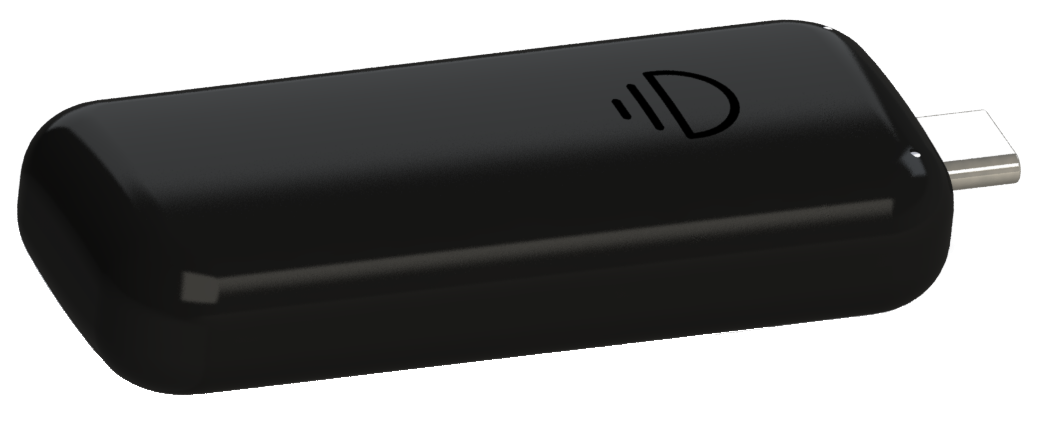
LiFiMAX LiFi USB Dongle
The Uplink
Communication is a two-way street. A network that only downloads is merely a broadcast system. LiFi systems handle the uplink (sending data from the user's device back to the network) by equipping the external dongle or receiver with its own infrared transmitter. This transmitter sends data back up to the ceiling-mounted access point, completing the bidirectional loop without relying on RF bands.
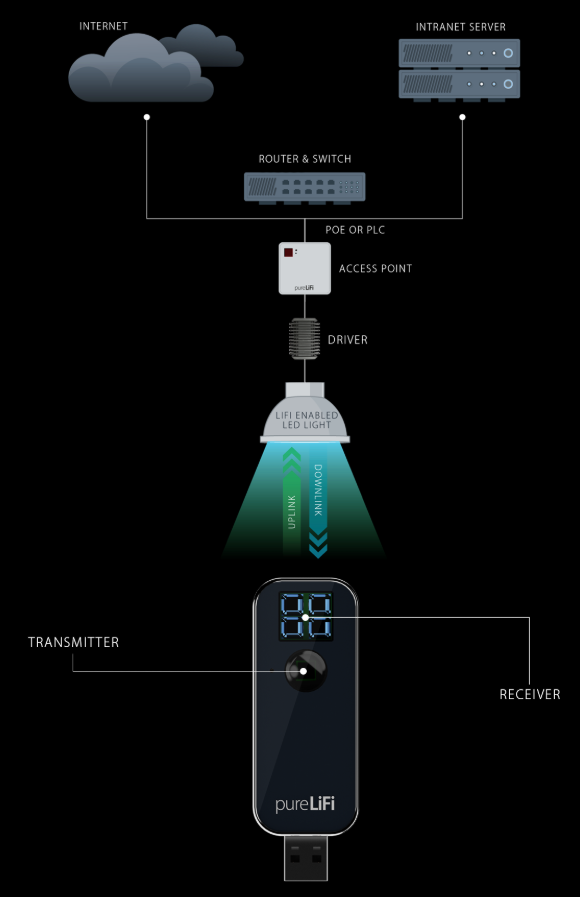
How does a LiFi system work?
Part 3: Where is LiFi Used Today? Real-World Applications
If LiFi requires external dongles and specialized access points, why do organizations invest in it? The answer lies in the limitations of radio frequency (RF) networks. Wi-Fi and 5G are incredible technologies, but they suffer from three major vulnerabilities: they can be intercepted, they cause electromagnetic interference, and they degrade in highly congested or physically obstructive environments.
LiFi solves these exact issues, which is why it has seen widespread, multi-year deployments in specialized sectors.
1. Defense, Military, and Government Security
In high-security environments, data leakage is a critical threat. Radio waves broadcast outward in all directions, easily passing through walls, windows, and floors. This means a malicious actor sitting in a vehicle across the street from a secure facility can potentially sniff, intercept, or jam a Wi-Fi network.
LiFi provides unparalleled physical layer security because of a fundamental property of light: it cannot penetrate opaque barriers. If a LiFi network is deployed in a classified briefing room, the data is physically contained within the four walls of that room. If the door is closed and the blinds are drawn, it is physically impossible for an outside actor to intercept the network. For defense contractors and military command centers, this allows for the deployment of secure wireless networks in spaces that previously required hardwired ethernet cables for security reasons.
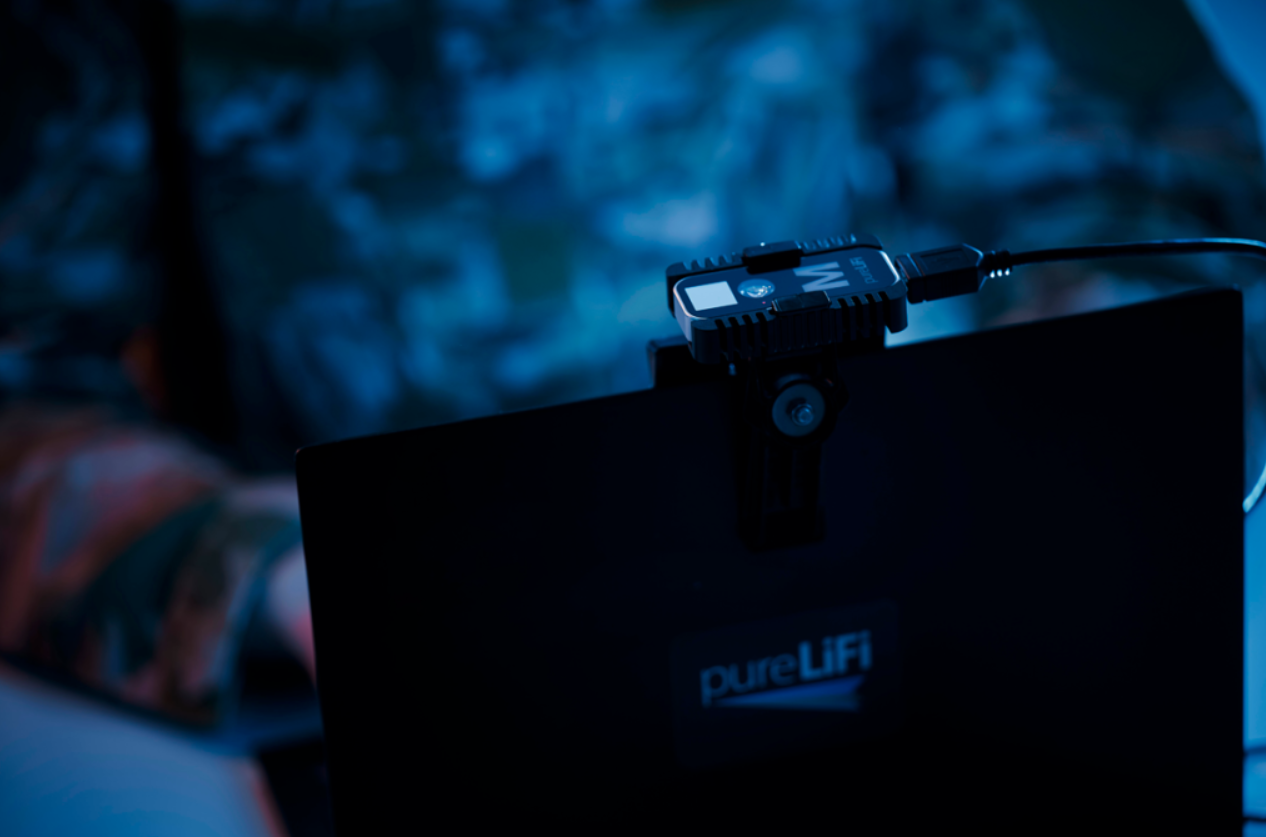
Image credit to pureLiFi
2. Hospitals and Healthcare
Modern hospitals are highly complex RF environments. Between life-support systems, MRI machines, patient telemetry monitors, and staff communications, the radio spectrum in a healthcare facility is heavily congested. Furthermore, RF signals from standard Wi-Fi routers can cause electromagnetic interference (EMI) with sensitive medical equipment, potentially putting patient safety at risk.
Because LiFi operates completely outside the radio spectrum, it produces zero EMI. Organizations like Oledcomm and pureLiFi have successfully installed LiFi access points in operating rooms, intensive care units, and radiology departments. This allows doctors and medical staff to download large medical imaging files (like high-res MRI scans) to their specialized tablets at gigabit speeds without risking interference with the critical medical devices around them.
3. Industrial and Manufacturing (Industry 4.0)
Manufacturing floors, power plants, and petrochemical facilities are notoriously hostile environments for wireless networking. Heavy industrial machinery, high-voltage equipment, and massive metal structures cause severe multipath interference, rendering traditional Wi-Fi unreliable. Additionally, in certain hazardous environments (like chemical plants where a single spark could be catastrophic), RF transmissions are strictly limited or banned altogether.
LiFi bypasses these challenges. It provides robust, low-latency, high-bandwidth connectivity to automated guided vehicles (AGVs), robotic assembly arms, and diagnostic laptops on the factory floor. By establishing a dense grid of LiFi access points overhead, industrial operators ensure uninterrupted data flow in areas where Wi-Fi completely fails.
Part 4: Understanding the IEEE 802.11bb Standard
If LiFi has already been working in defense and enterprise sectors for years, why was the ratification of the IEEE 802.11bb standard treated as such a monumental event? The answer is interoperability and scale.
Prior to the standard, early LiFi deployments were highly proprietary. An access point manufactured by Company A could only communicate with a receiver dongle manufactured by Company A. If an enterprise wanted to install LiFi, they were locked into a single vendor's ecosystem from top to bottom.
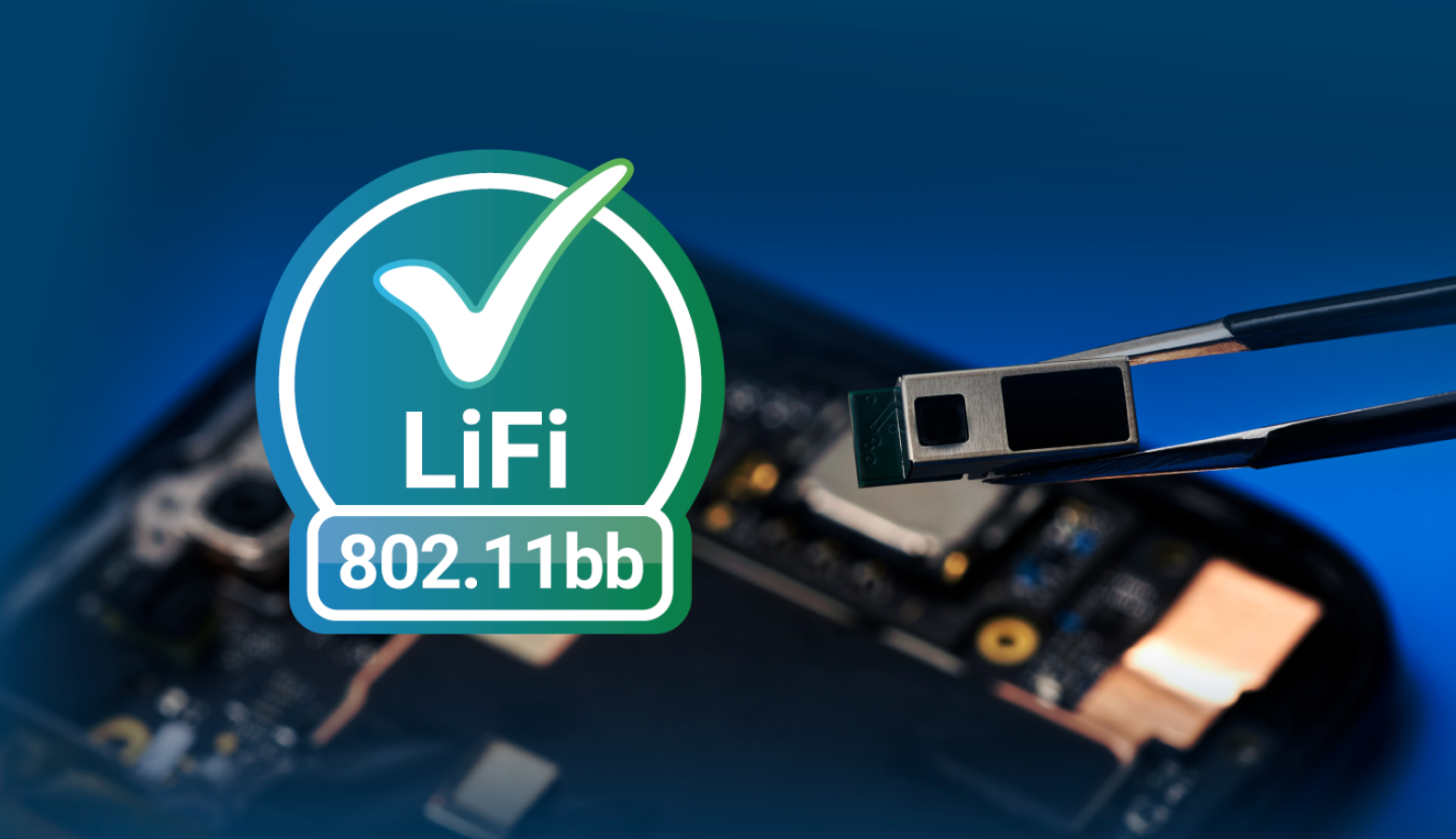
The IEEE 802.11bb standard fundamentally changes this dynamic. By officially incorporating light-based communication into the massive 802.11 family of standards (the same family that governs all Wi-Fi), it establishes a common language to a certain extent.
Credit to pureLiFi
Bridging the MAC and PHY Layers
Technically speaking, 802.11bb defines the physical layer (PHY) specifications and the medium access control (MAC) layer for wireless connectivity using light. Because it shares the MAC layer with standard Wi-Fi, it makes life incredibly easy for enterprise network engineers. To a corporate network switch, a LiFi access point running 802.11bb looks and behaves just like a traditional Wi-Fi access point. It uses the same security protocols (like WPA3), the same routing rules, and the same management software.
The Catalyst for Hardware Integration
More importantly, 802.11bb provides a predictable technological roadmap for global silicon manufacturers and original equipment manufacturers (OEMs). Companies that manufacture the internal networking chips for laptops and smartphones now have a standardized blueprint to follow. While we are currently in the era of USB dongles, the standard lays the groundwork for companies to begin integrating tiny LiFi receivers—like pureLiFi's Light Antenna ONE—directly into the circuitry of future consumer devices.
Part 5: The Spectrum Crunch and the Complementary Future of LiFi
It is important to correct another common piece of marketing hype: LiFi is not a "Wi-Fi killer." It is not designed to replace Wi-Fi or 5G, but rather to complement them in an increasingly crowded digital world.
We are currently facing a global "spectrum crunch." The radio frequency spectrum is a finite resource, and it is becoming dangerously congested. With the explosion of Internet of Things (IoT) devices, smart home appliances, autonomous vehicles, and high-bandwidth streaming, the RF bands are running out of space. This congestion leads to network latency, dropped connections, and slower speeds.
The visible and infrared light spectrum is approximately 1,000 to 10,000 times larger than the entire radio frequency spectrum. By moving secure, high-bandwidth data traffic onto the light spectrum (LiFi), we can offload pressure from the overloaded RF spectrum.
In the future, corporate offices and specialized environments will likely use a hybrid approach. A device might connect to LiFi while indoors under a compatible access point for secure, ultra-fast data transfers, and then seamlessly switch over to standard Wi-Fi or 5G as the user walks out of the light's coverage area.
Part 6: How to Buy LiFi Today and the Road Ahead
Is LiFi available to buy right now? Yes. For enterprise, military, medical, and industrial deployments, organisations can procure complete LiFi solutions today. Network integrators can purchase commercial LiFi access points, the necessary PoE infrastructure, and specialized USB dongles from the industry leaders mentioned earlier (pureLiFi, Oledcomm, Signify, etc.). Mind you, most LiFi systems are not cheap to purchase and cost in the range of $1000s (watch out for an upcoming article where we will deal with the prices of LiFi systems nowadays).
When will LiFi be in mainstream consumer devices? For the average home consumer, the technology remains on the horizon. While trade shows frequently demonstrate exciting "LiFi@Home" concepts, translating those proofs-of-concept into mass-produced, cost-effective consumer silicon takes time.
The integration roadmap typically follows a top-down approach. We are currently seeing LiFi integrated into ruggedized B2B hardware, specifically designed tablets for the military and specialized laptops for industrial technicians. The next step over the coming years will likely be premium enterprise laptops targeting the corporate sector, where security is a major selling point. Only after the technology has scaled and the component costs have plummeted will we see native LiFi receivers embedded alongside the Wi-Fi and Bluetooth chips in mainstream, off-the-shelf smartphones and smart home appliances.
Conclusion
As of 2026, LiFi is a mature, highly functional networking standard that has successfully graduated from the laboratory to solve real-world problems. By providing unparalleled security, zero electromagnetic interference, and relief from the RF spectrum crunch, it has proven its immense value in defense, healthcare, and other industrial sectors.
Thanks to the foundations laid by early industry pioneers and the unifying framework of the IEEE 802.11bb standard, LiFi seems to have a clear roadmap for the future. While we must look past the consumer marketing hype of "LiFi in every living room," the actual reality of the technology is more than impressive enough on its own for now. LiFi represents the next necessary evolution in wireless connectivity, a secure, high-speed complement to our radio-based world, driven by the power of light.