The UK Government Has Announced £50 million Funding Package For Domestic Quantum Technology Firms
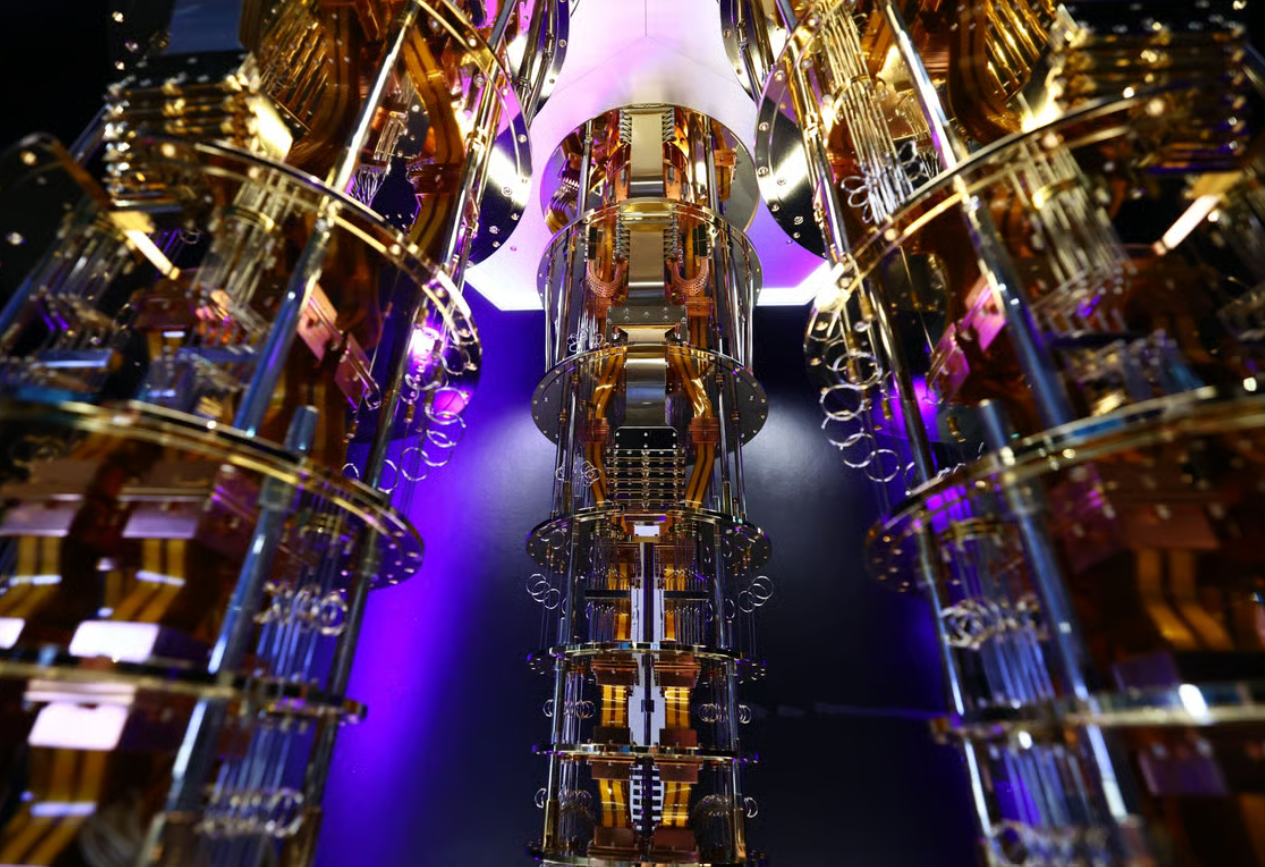
Credit to Politico.eu
The UK government has announced £50 million (around $66 million) in new funding for domestic quantum technology firms. Administered through a UK Research and Innovation (UKRI) competition, the capital targets sensing, positioning, navigation, and timing technologies to help transition quantum concepts from the lab into commercial products.
The funding is a key component of the UK’s broader £2 billion quantum investment strategy. It follows recent commitments by the Labour government to invest £1 billion over the next four years in scalable quantum computing, alongside a £670 million package that secures 10-year funding for the National Quantum Computing Centre.
While quantum computing remains a primary focus, this latest funding round highlights the immediate commercial and national security applications of quantum sensing and navigation.
Funded Projects and Innovators
The UKRI has awarded backing to several companies developing practical applications for quantum hardware:
Coldquanta UK: Developing a mobile quantum radio system for highly accurate signal location, targeted at military intelligence and emergency responder operations.
MoniRail: Building a quantum monitoring system to detect railway track and signal faults in areas where GPS is unavailable.
Siloton: Engineering a handheld "quantum eye" to bring advanced optical diagnostics to standard clinical settings.
QLM Technology: Creating a camera system to visualize and measure greenhouse gas emissions in the energy sector.
Quantum Fabrix: Developing next-generation clocks for satellite infrastructure.
Cerca Magnetics: Designing a wearable brain scanner using quantum sensors.
Supply Chains and Workforce Development
In addition to hardware development, the government is funding the underlying networks and talent required to support a domestic quantum industry. Innovate UK is deploying £20 million to build out UK-based quantum communication networks. Simultaneously, UKRI announced an £8 million expansion of its Quantum Enabling Skills Training (QuEST) apprenticeship program to train a specialized workforce.
Charlotte Deane, Executive Chair of the Engineering and Physical Sciences Research Council at UKRI, stated that the funding is critical for establishing domestic supply chains and reinforcing national security, specifically by providing the military and emergency services with reliable navigation options when conventional systems fail.
“This UKRI funding gives these businesses what they need to grow and take their technology further, while building strong UK supply chains that keep the parts quantum tech depends on here in the UK”.
“These technologies also matter for our national security, giving our military and emergency responders reliable ways to navigate and stay connected even when conventional systems can’t be relied on.”